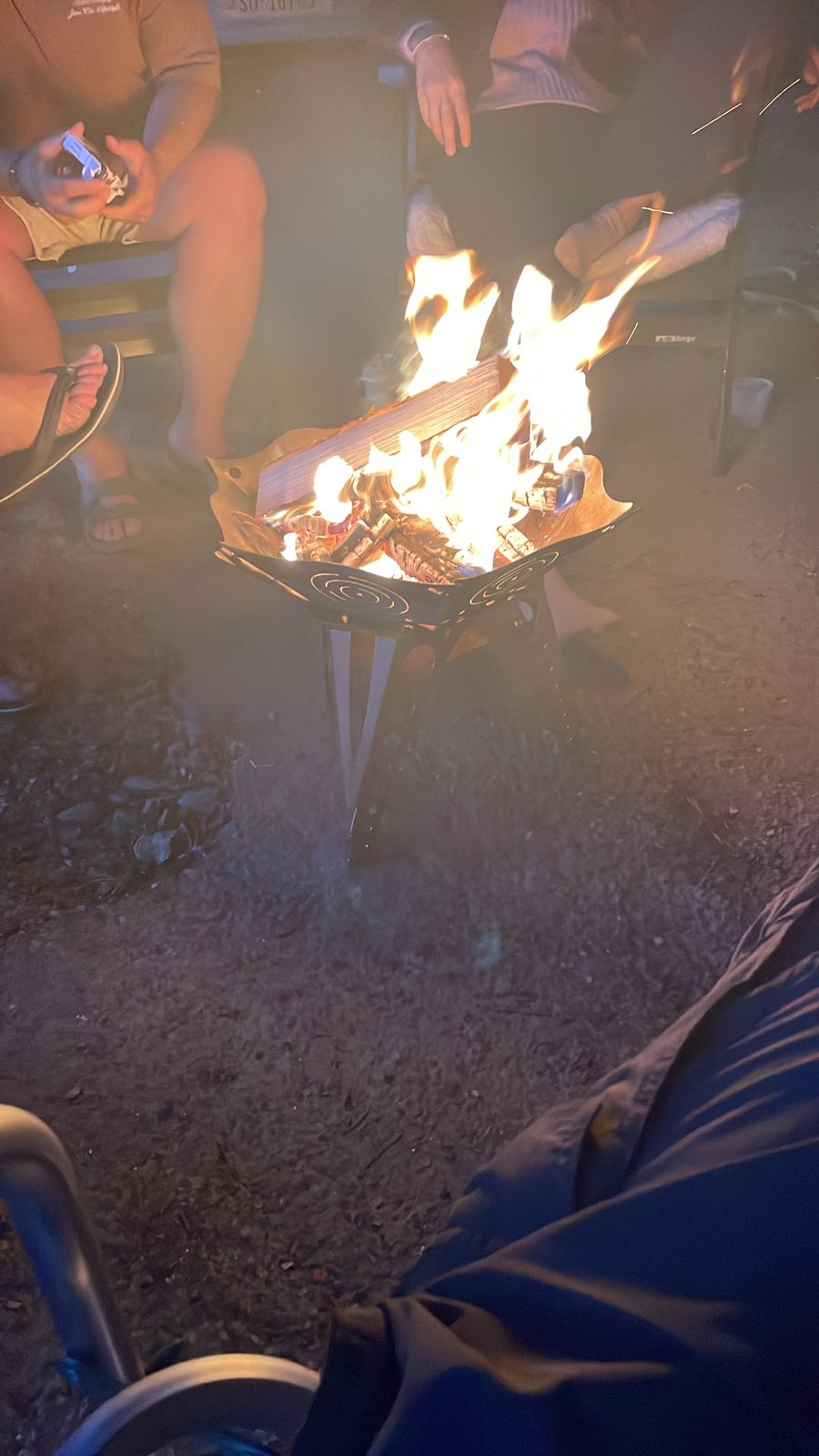
Picked up twice by Ronja
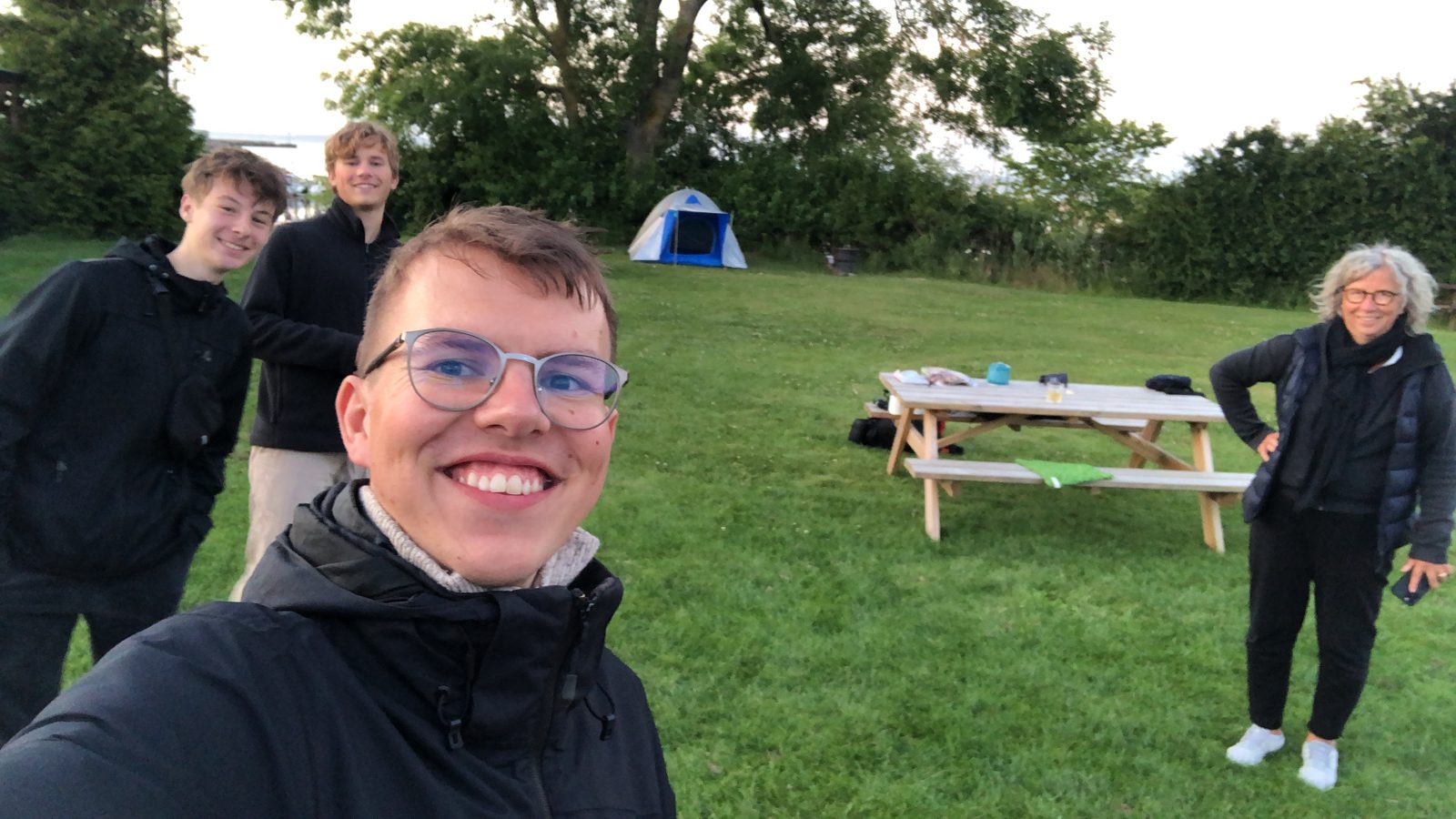
She dropped me off in France, texted later that she was driving to Bordeaux, picked me up again, and I ended the day at her family's campfire in Abzac.
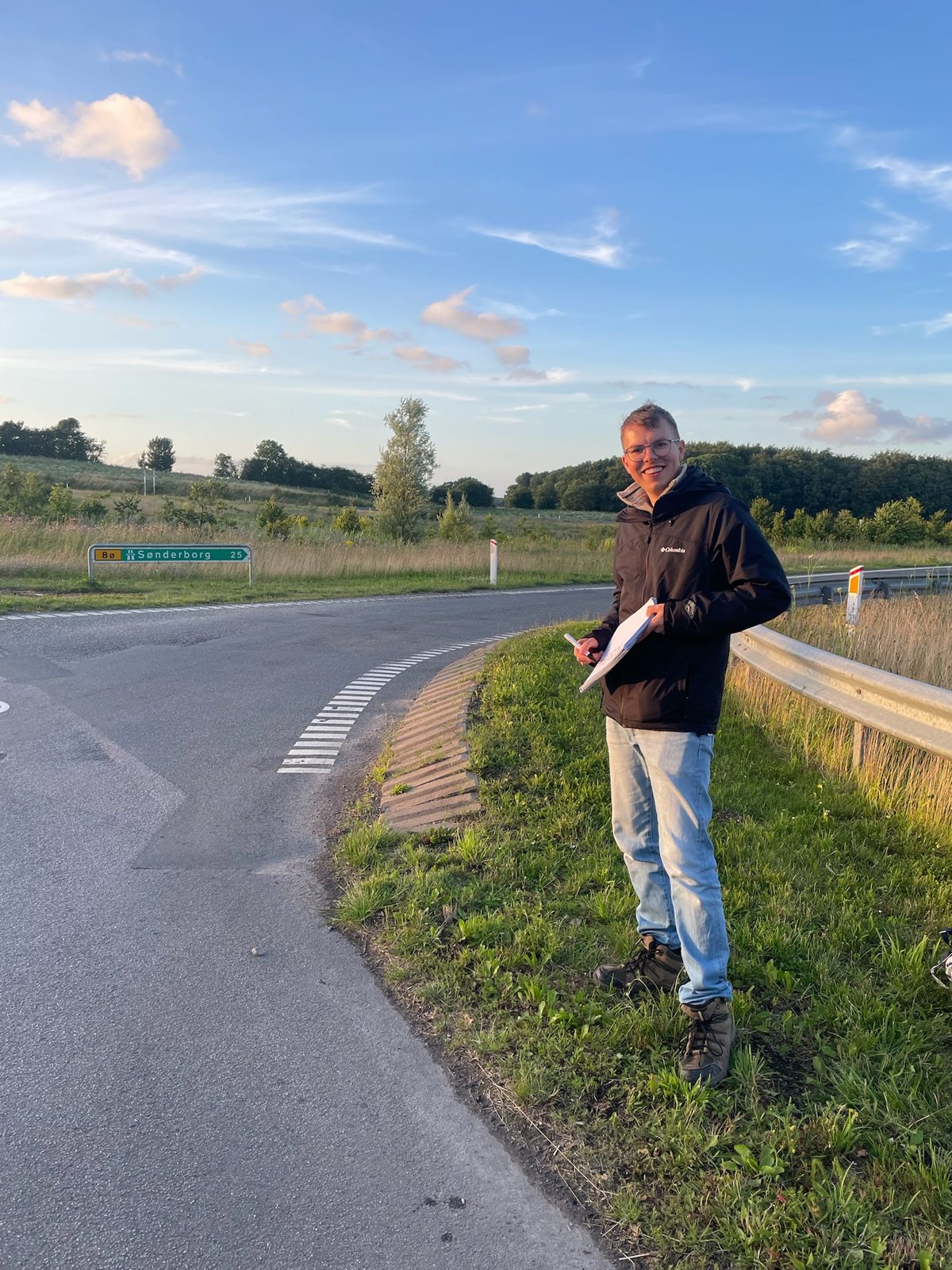 Outside Sønderborg, Denmark
← Hitchhiking
Based on 18,673 km hitchhiked since 2018.
There is no golden rule, and nobody can guarantee you 100% safety. But after more than 15,000 km on the road, some things clearly work better than others. This is what I have learned.
A train is quicker and more comfortable. I still choose the road, for five reasons:
What I do before I leave, and what I keep reassessing on the way: safety, time, where to stand, and where to get in and out.
Yes, there is a risk. In my experience it is comparable to walking around a city. People who don't want to take you sort themselves out: they simply drive past, and that is totally fine. Nobody has to stop.
I know I'm a man, and that I'm very privileged as a hitchhiker. Still, there are three things I do to feel safe, and some more to consider.
Preparation gives you confidence, and confidence matters. If you come across as insecure, some people will take advantage of it. That's true in life, and even more on the road.
Then listen to your gut. If a ride feels wrong, take it seriously. Don't rush: the next car can be seconds away, going the same way, further or safer. And if you change your mind during the ride, say you don't feel well and get out at the next petrol station.
And smile. Positive people like positive people ;-)
A friend or family member can always see where I am through Apple's Find My. I tell them where I'm heading, and that they don't need to worry.
I prefer it to WhatsApp live location: it uses much less battery, and it can still find my phone for a while after the battery has died.
I know plenty of women who hitchhiked back when it was common, and without any of today's safety tools.
It's also very easy to hitchhike as a pair. Every combination works, but a mixed pair is usually fastest: the man makes the hitchhikers feel safe, the woman makes the drivers feel safe.
I stop hitchhiking about two hours before sunset. It's safer, and if I'm camping I need that time to find a place, put up the tent and cook dinner.
That is also why I plan with 400–500 km a day when I want to cover a long distance.
The numbers behind the tips, the people who made the trips, and the mistakes I made along the way.
Waiting longer at a bad spot almost never pays off. My own numbers:
| Where | Bad spot | After moving |
|---|---|---|
| Jönköping, Sweden | 4 h+ at one highway entrance | 15 min at the next entrance, 1.5 km north |
| A10, outside Berlin | 1 h 30 before a traffic light, cars at 100 km/h | 10 min at a second light with a 50 km/h limit |
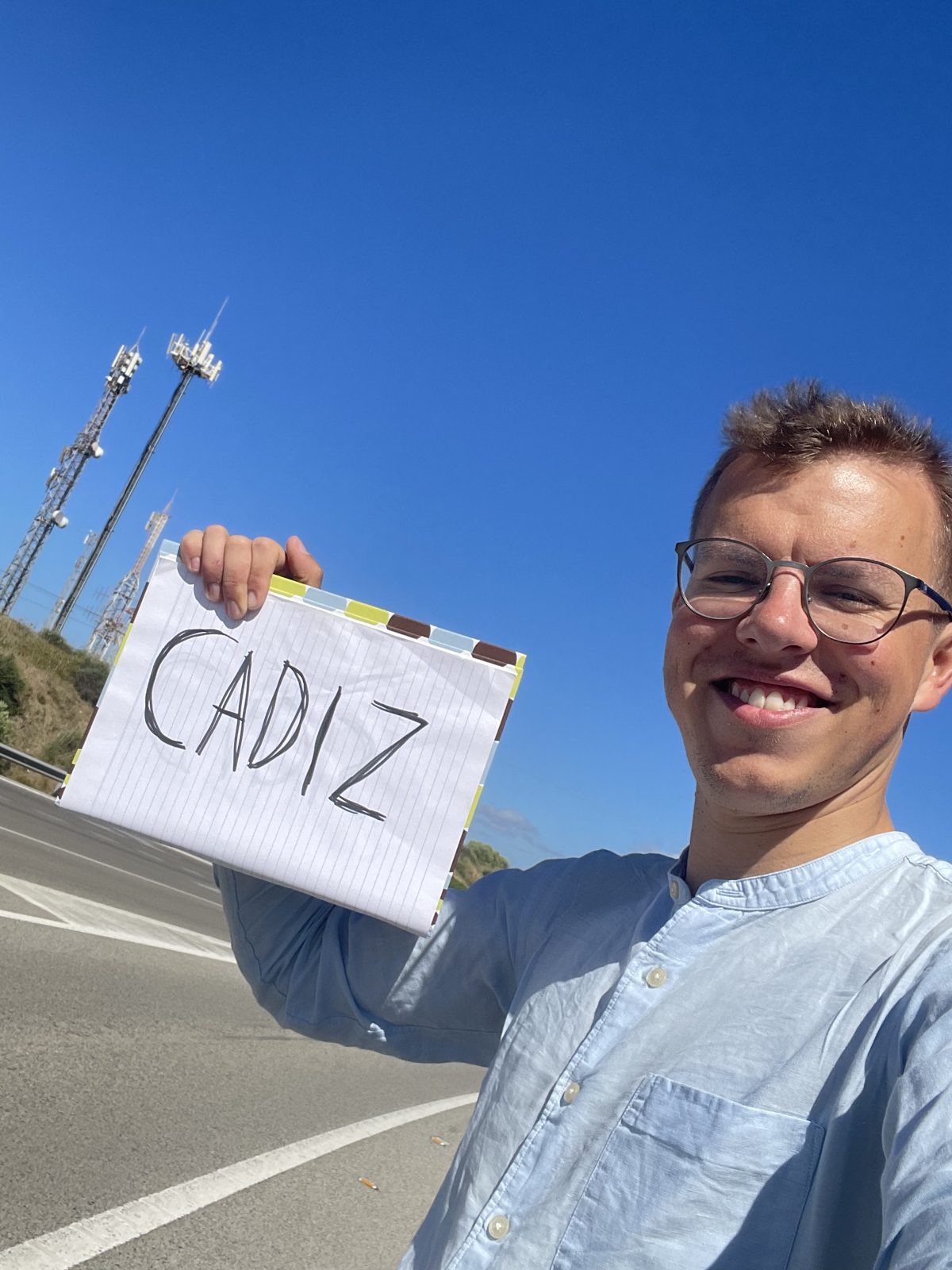
| Past Cádiz, Spain | 3 h+ on a small coastal road | Taxi to the A381 motorway, then one ride to southern Portugal |
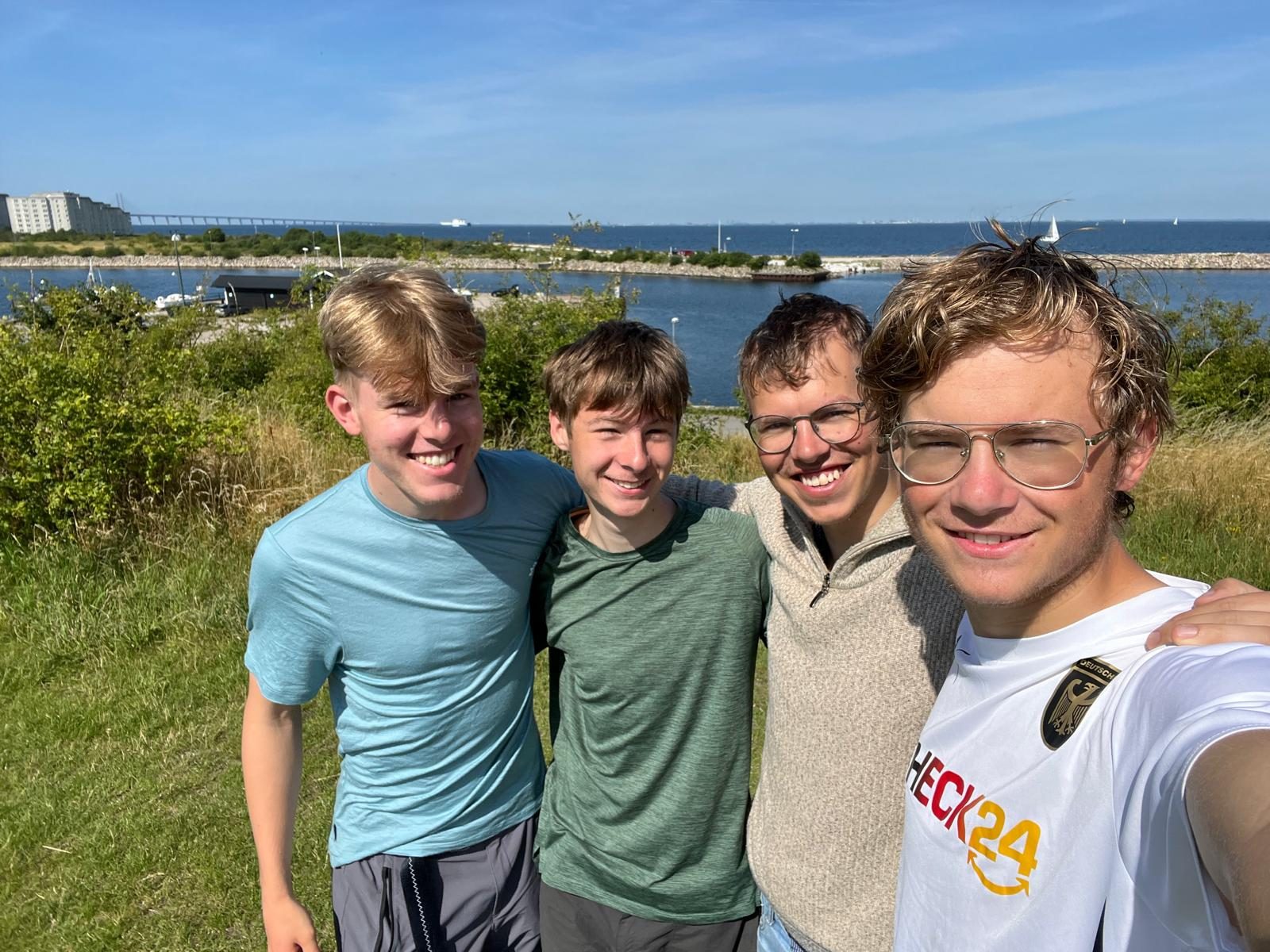
| Before Copenhagen | Stuck at a bad spot most of the day | Back to a good motorway petrol station: 250 km by 9 pm |
She dropped me off in France, texted later that she was driving to Bordeaux, picked me up again, and I ended the day at her family's campfire in Abzac.
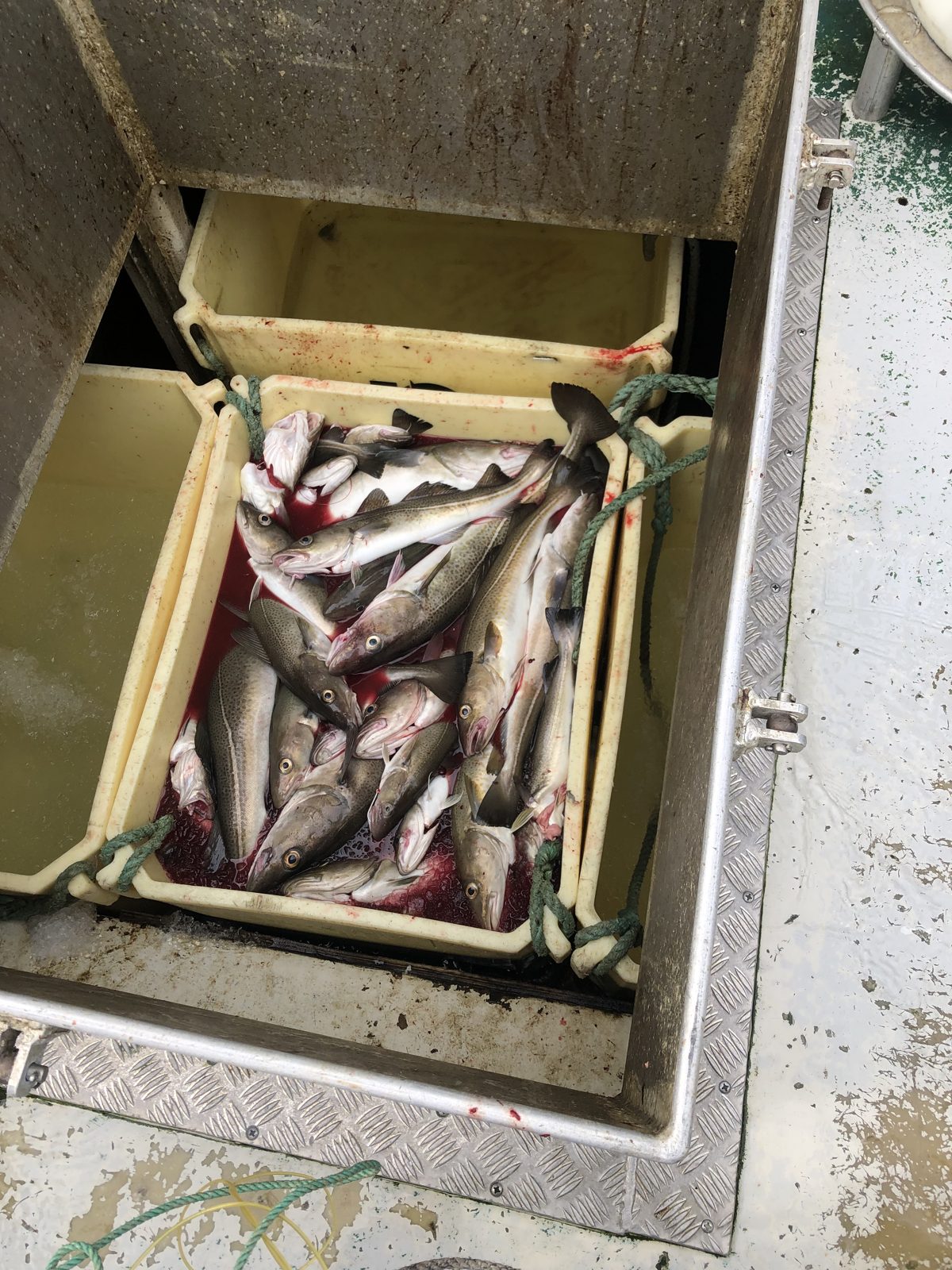
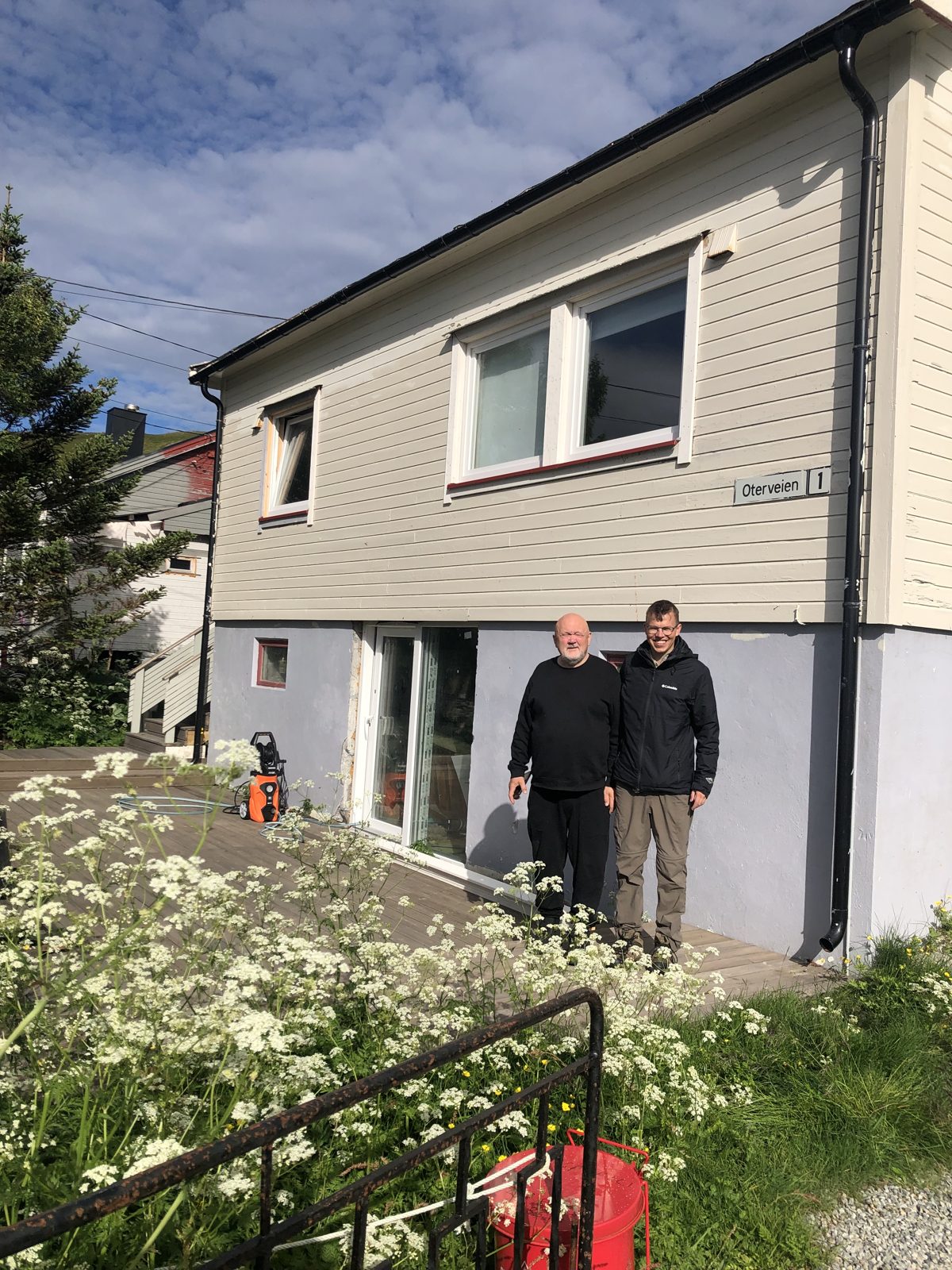
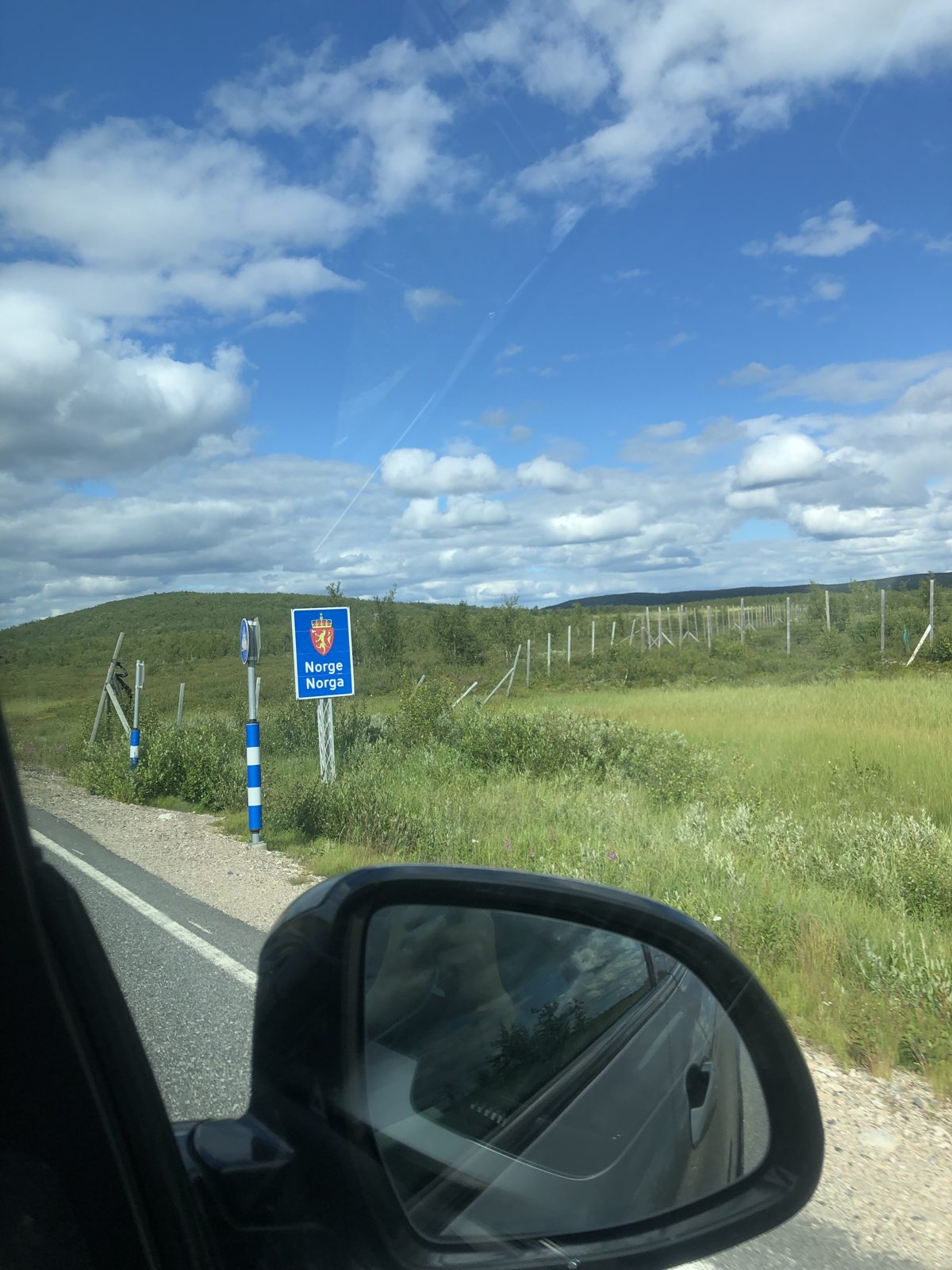
A man from the Faroe Islands picked me up near Nordkapp, invited me home and took me fishing under the midnight sun.
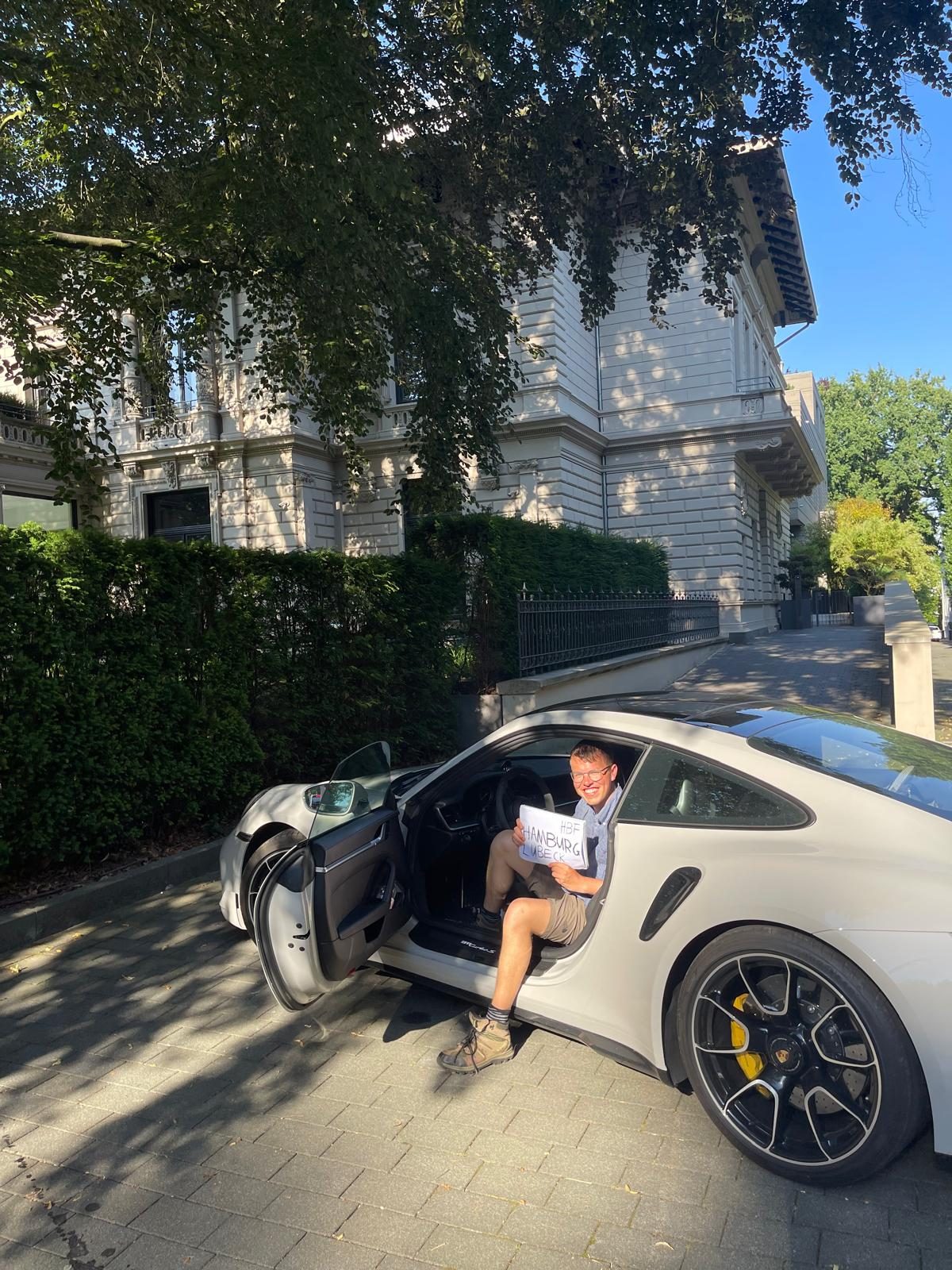
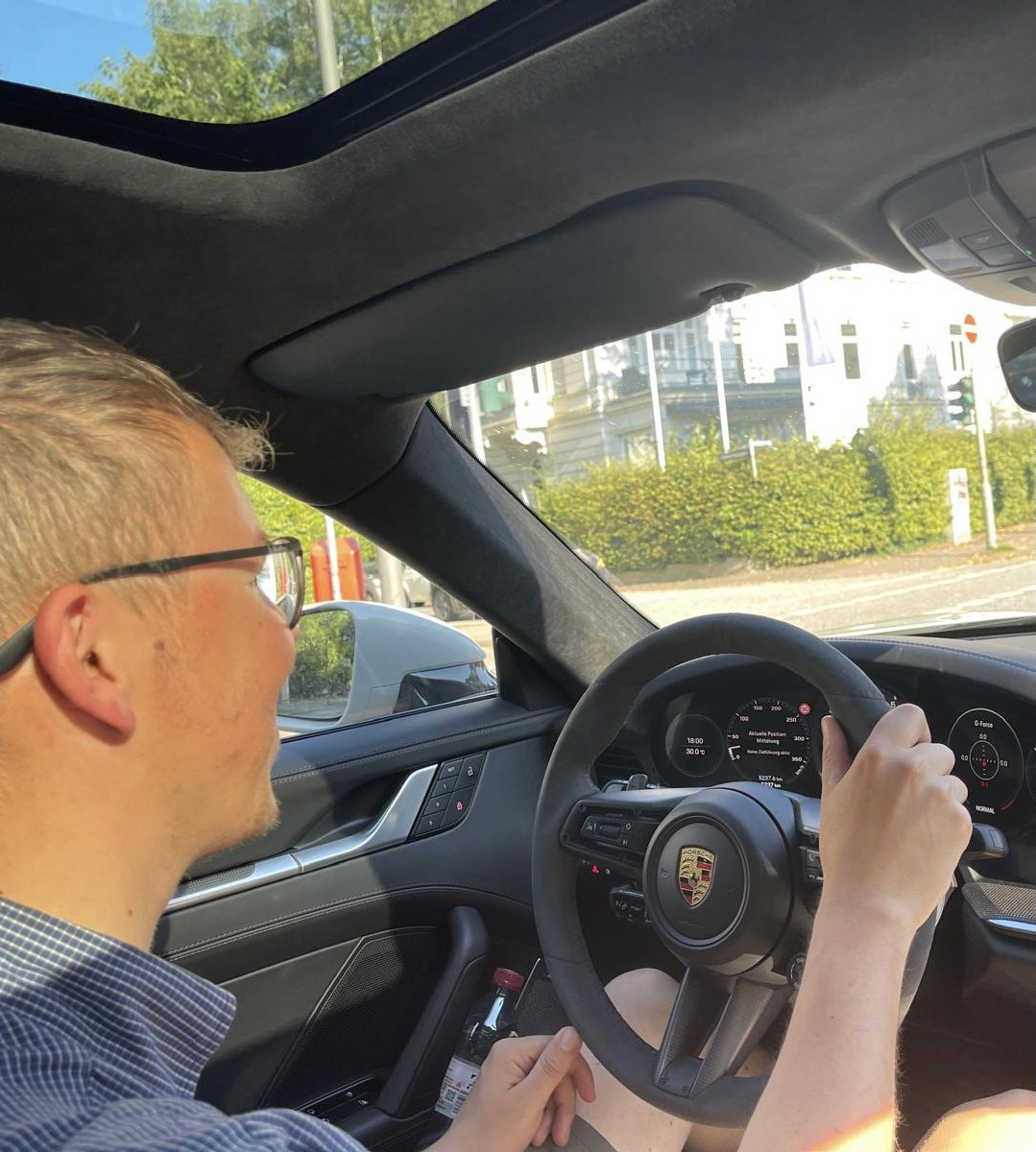
The last ride of the Nordkapp trip. In Rendsburg a Porsche 911 Turbo S pulled over. After an hour of stories, the driver handed me the keys and let me drive the last minutes to Hamburg central station.
From my own trips, not a ranking of every country. A lot depends on the spot, but some places make it easy and some make it hard.
Four hours in Jönköping, when the next entrance 1.5 km away took 15 minutes. If nothing happens after an hour, change something.
Past Cádiz I followed the coast instead of the motorway. Three hours later I paid for a taxi back to the A381.
On the A10 I stood where cars went through at 100 km/h. Ninety minutes of nothing; at a 50 km/h light, ten minutes.
Possibly the worst place in Europe to hitchhike. Drivers who stopped gestured that they wanted money first. I should have planned around it.
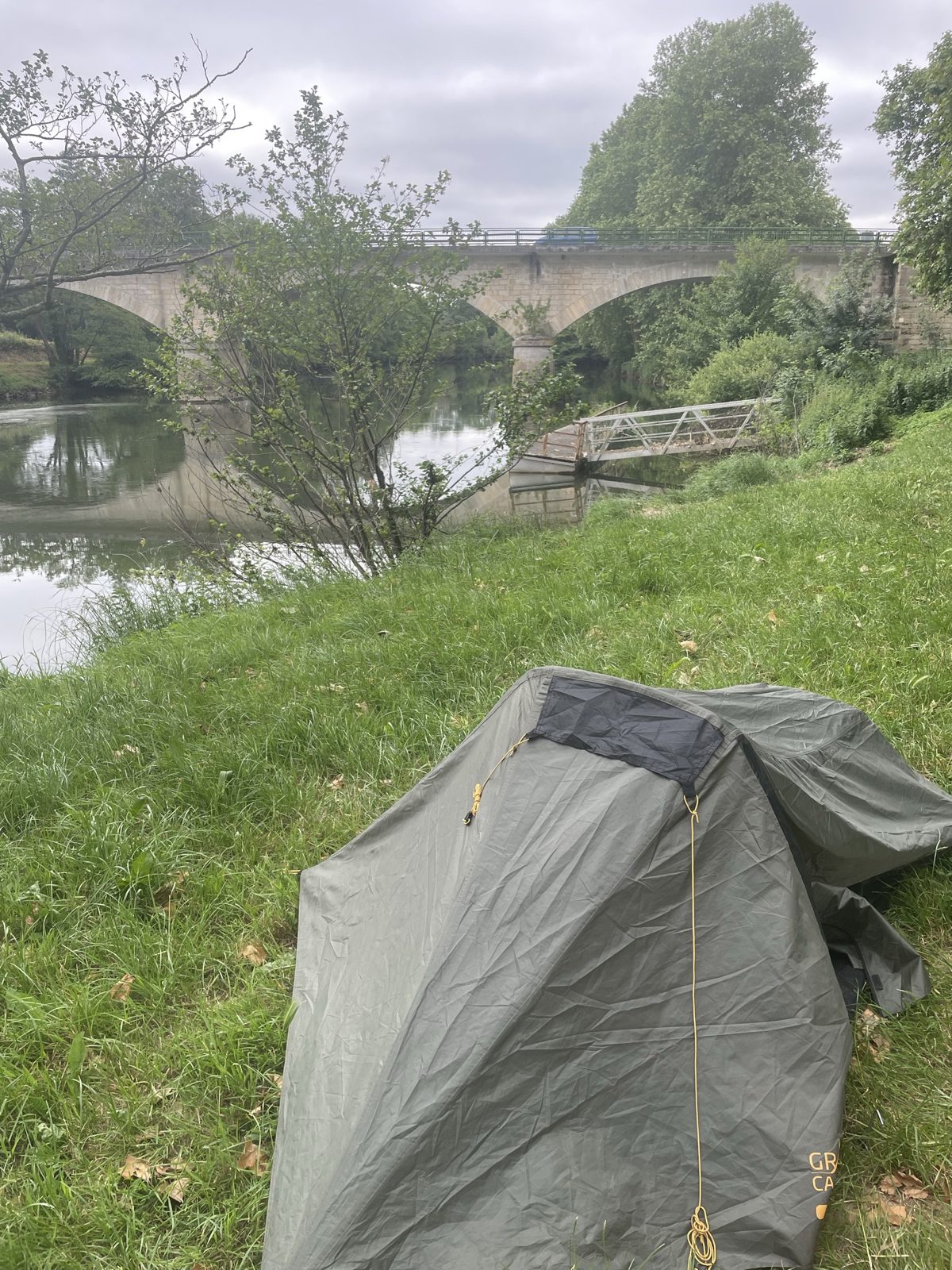
A June thunderstorm in Sweden with a summer sleeping bag. Pack for the worst night, not the average one.
Lisbon and Berlin both cost me hours. Take public transport to the edge of the city first.
Hitchhiking is legal across Europe, but walking on motorways is not. Studies on the risk are summarised on Wikipedia.
No. You are free to give something as a little thank you, like a snack or some of your food. But picking you up is the driver's free choice. If a driver asks for money, I tell them they are free to let me out again.
That totally depends on the driver. Some want to talk, some don't, and that's fine. Most are curious about who they just picked up, and who is crazy enough to hitchhike these days.
I try not to. I stop about two hours before sunset. Night rides do happen, but I plan for them rather than end up in one.
In most of Europe, yes. What is not legal is walking or standing on the motorway itself, so I stay at petrol stations and before the motorway signs.
Change something. If nothing happens after about an hour, I move to a better spot. That almost always works better than waiting longer. If it really doesn't work, I know where the nearest train station is.
A power bank, offline maps so I don't burn battery searching for signal, and Find My instead of WhatsApp live location, because it uses much less battery. And if it gets critical, ask the driver if you can charge your phone in the car. Nobody has ever said no.
Usually in my tent next to a petrol station, sometimes in a cheap hostel, and sometimes at a driver's home when they invite me and my gut says yes.
You will wait at bad spots, you will get rained on, and at some point you will ask yourself why you do this. Then someone pulls over, and you remember. Pick a route, write a sign, and stick out your thumb. If you have questions before your first trip, write me on Instagram.
See all my trips on the map →