Trips
Van trips
Helsinki → Rovaniemi
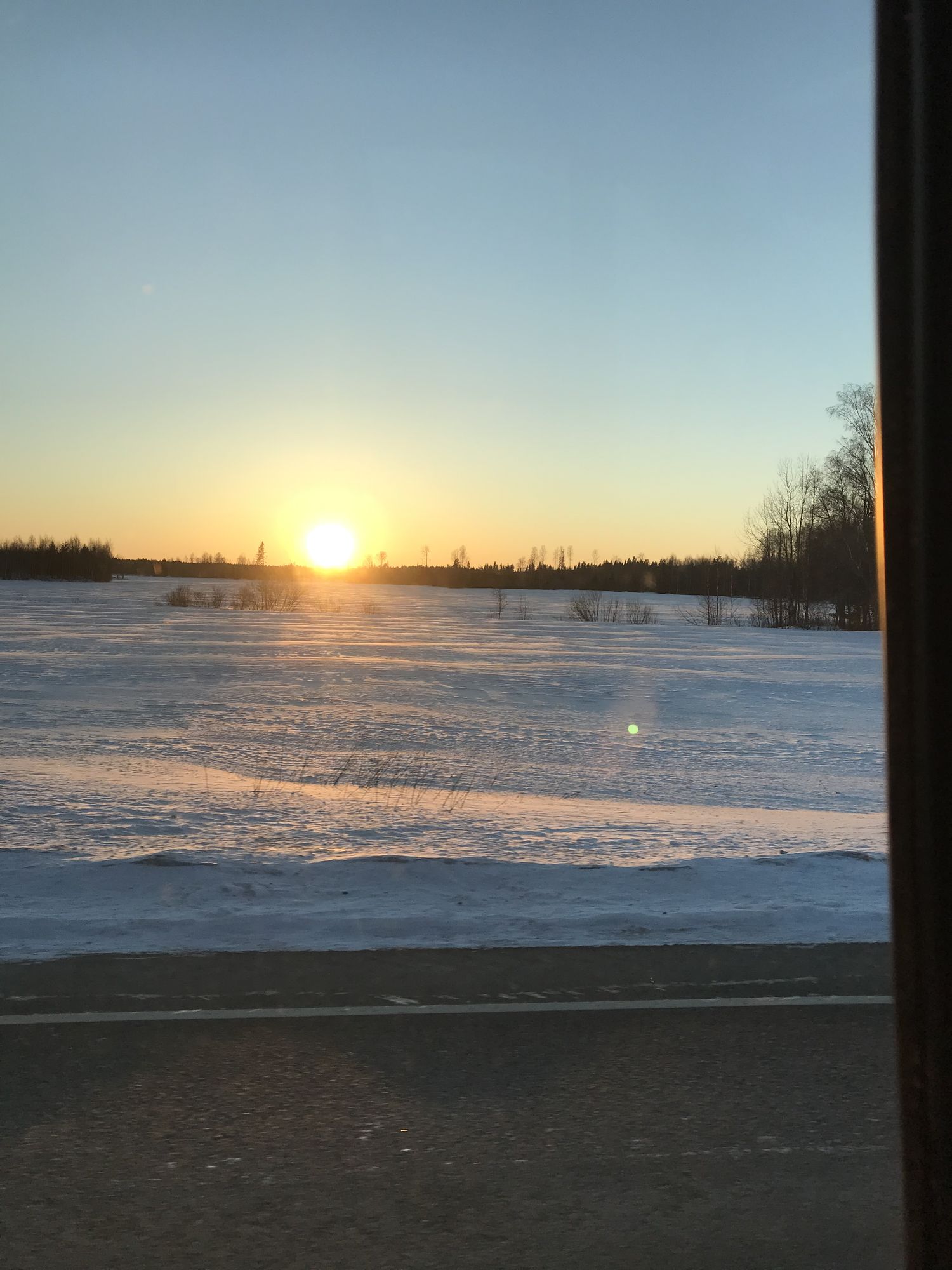
Five days, 2,000km by camper from Helsinki to Rovaniemi in March — minus twenty degrees, a frozen water tank, and zero running water for most of the trip. Chasing the Aurora (never saw it) but found a reindeer farm and decent ice fishing instead.
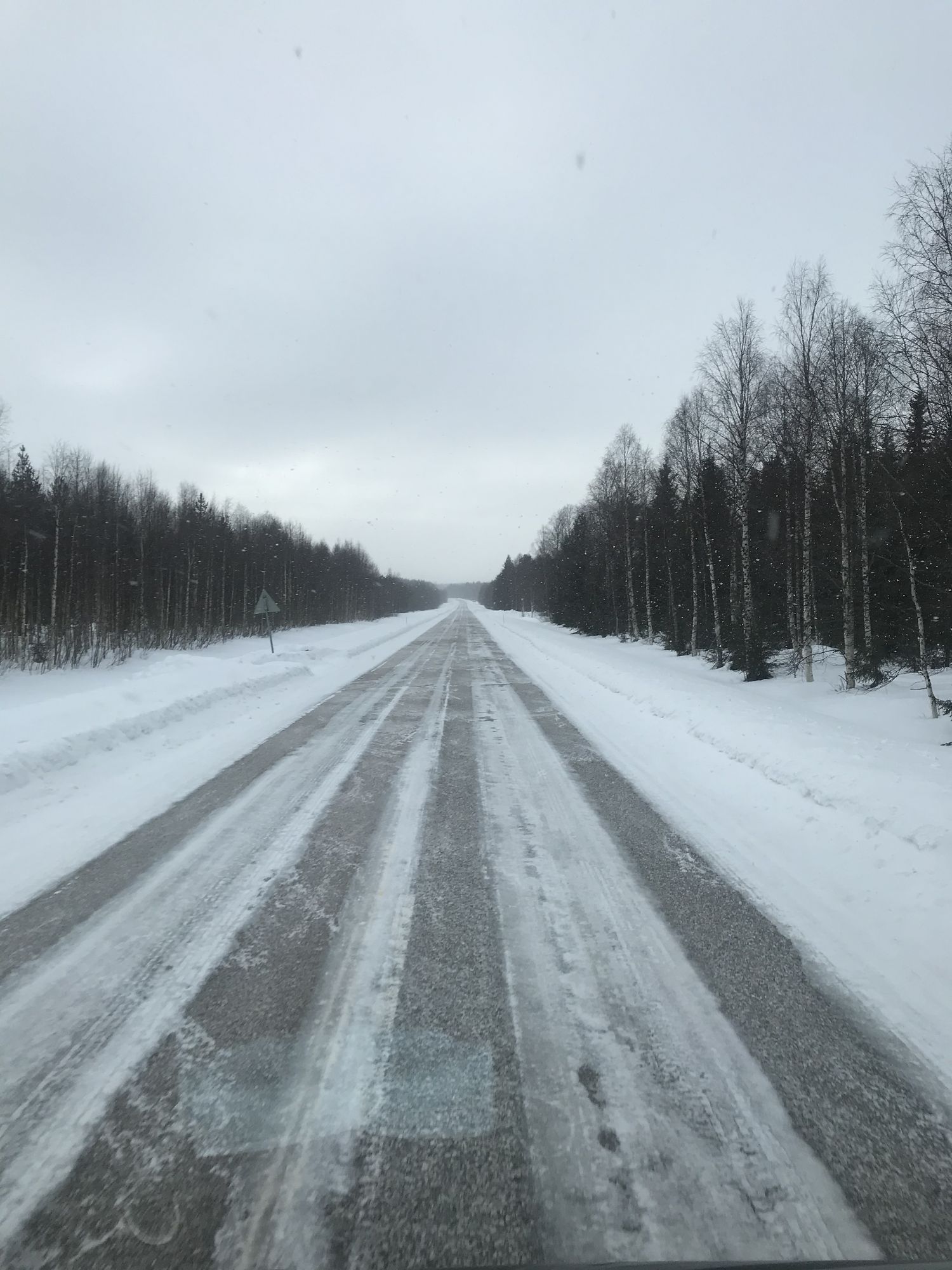
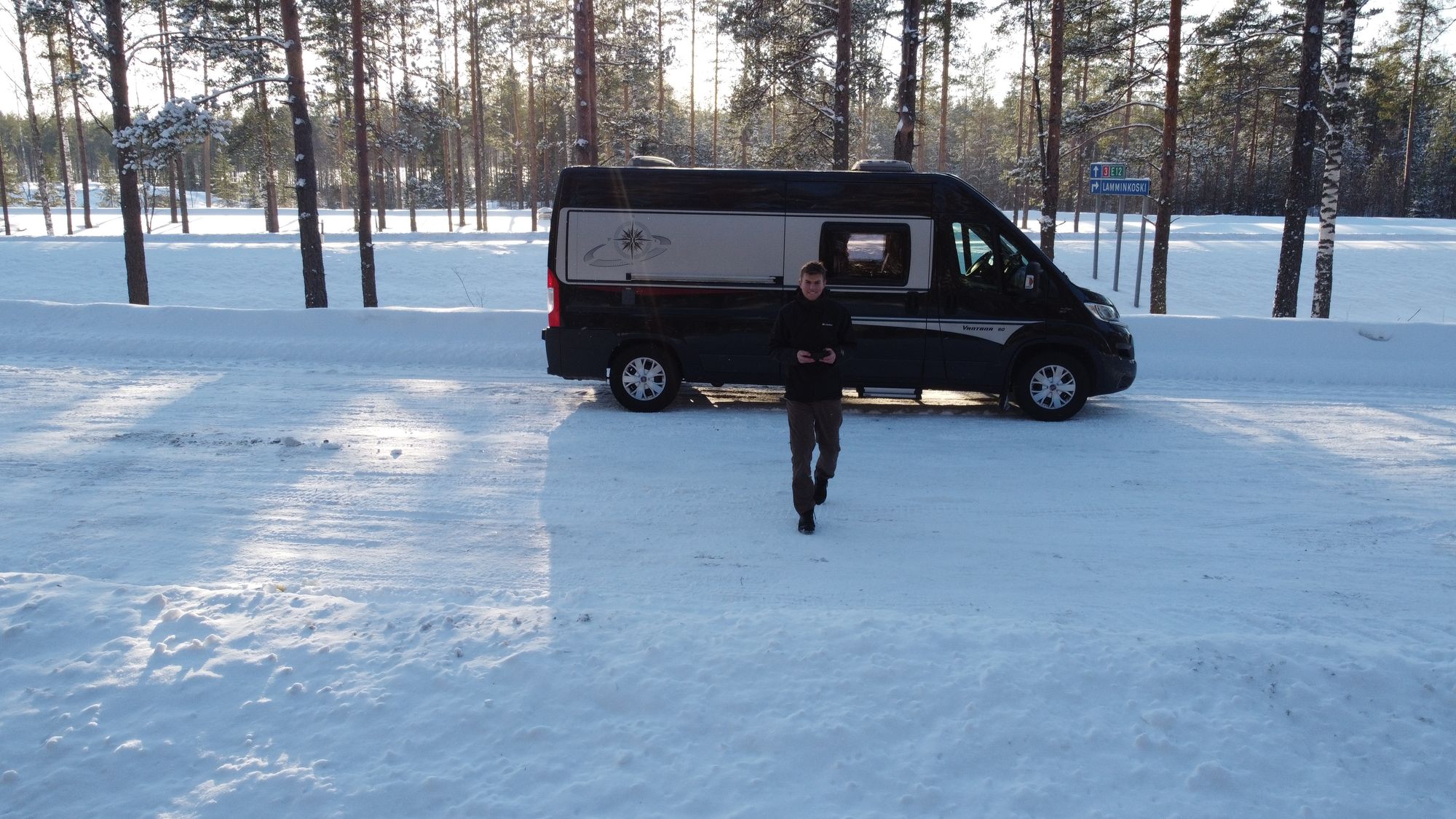
We picked up a camper van in Helsinki for a five-day, two-thousand-kilometer round trip up to Rovaniemi and back. This was in March, during the Corona era, and the whole plan was to chase the Aurora lights up north. Before we left, we got warned to be careful, that it could get seriously cold up there, down to minus seventeen or so. We ended up hitting minus twenty at one point. When we picked up the van, we were told about the heated cab and figured, sure, we want it warm, we want it cozy, it'll stay warm. Classic case of not taking the warning seriously enough.
We got lucky with our timing leaving Helsinki, because if we'd left even an hour later, we probably would have ended up caught in a mass collision ourselves. On the first day we made it along the coast past Turku. We'd woken up to about ten centimeters of fresh snow ourselves that first morning. Despite the warning from the rental company we realized our two hundred liter water tank had frozen completely solid into a block of ice. From that point on we had zero running water for the rest of the trip. We figured one night without water was fine, you're not exactly doing strenuous stuff out there, so we just dealt with it. On day two we knew it was time to improvise so we used the cooking setup to melt snow to wash ourselves with at least a bit of water. It took ages to get and I realized how little water you get out of a full pot of snow.
We'd originally wanted to cross into Sweden too, but Corona killed that plan. Crossing back into Finland would have needed a PCR test, and those were taking three days minimum to come back, time we just didn't have. So we scrapped the border crossing and focused on getting further north instead.
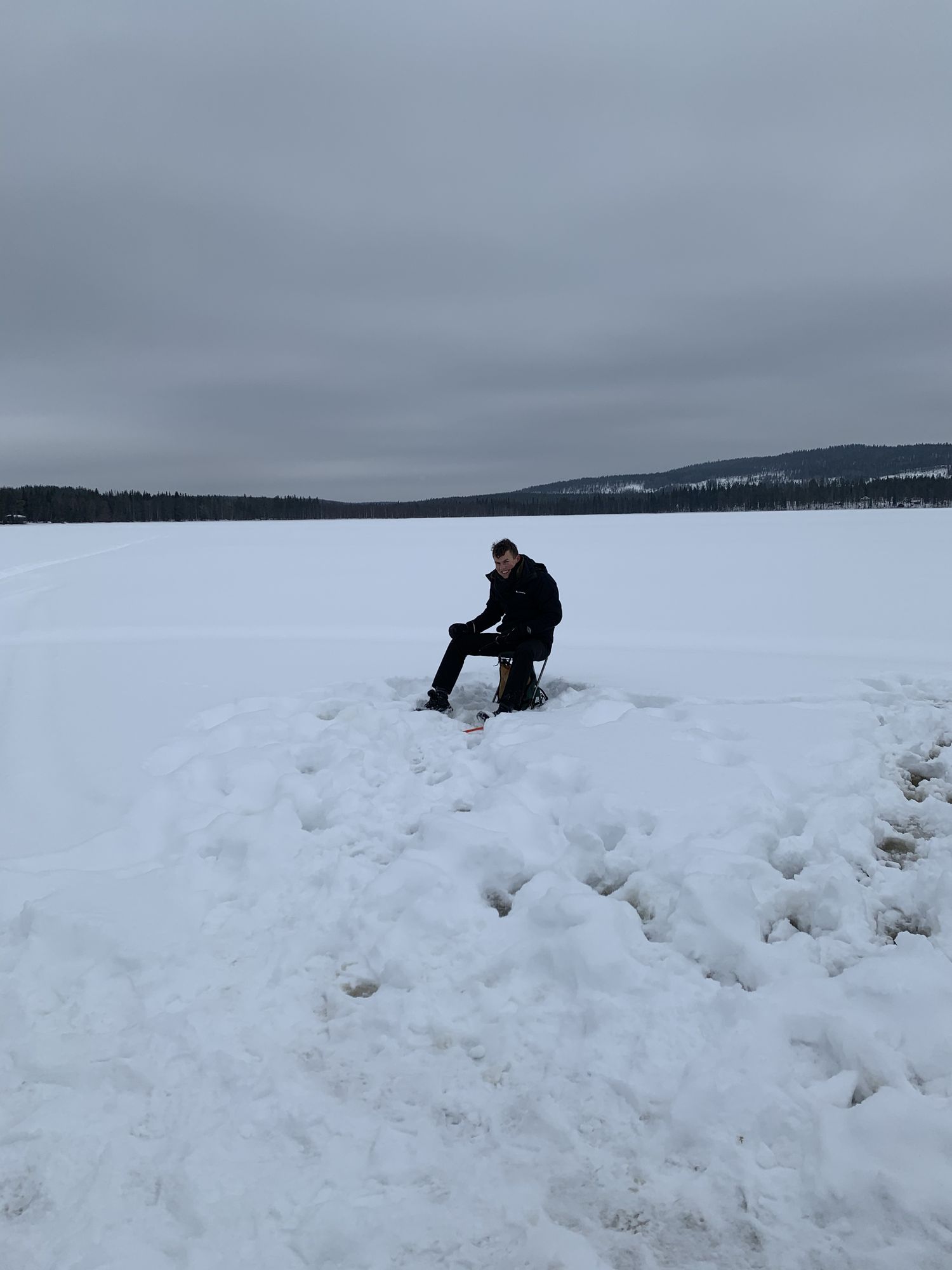
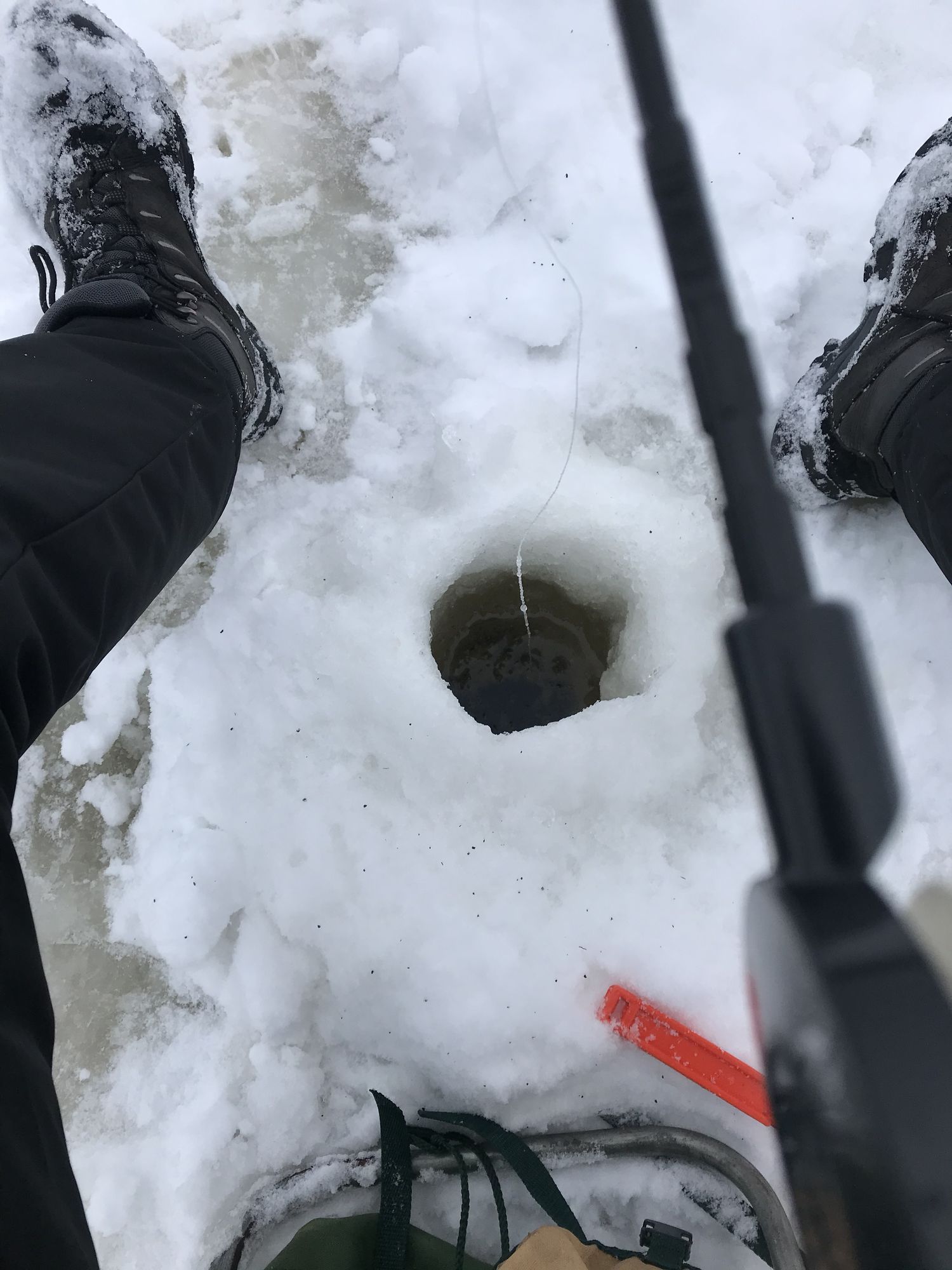
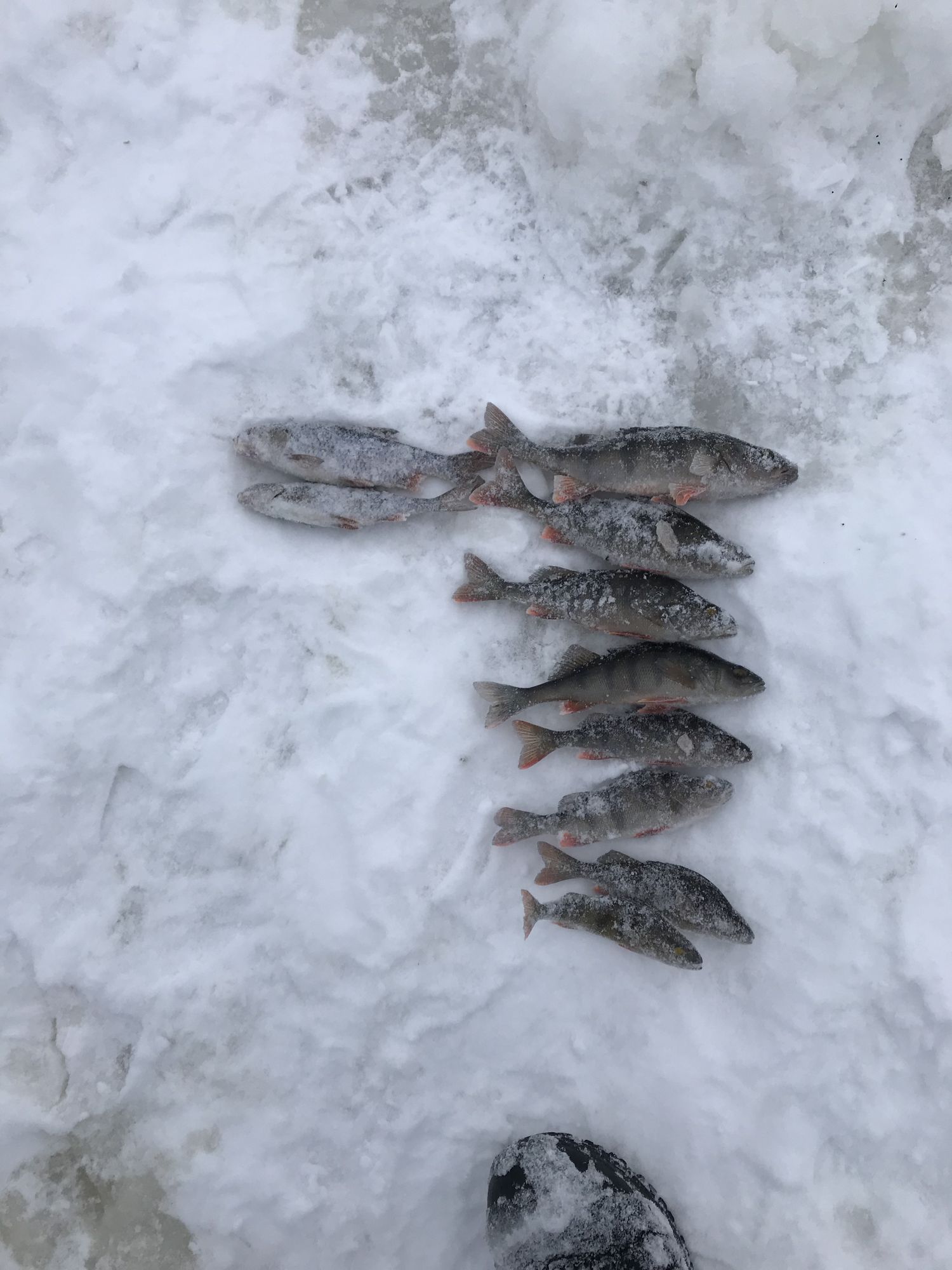
We spent a good chunk of time at a small reindeer farm, which turned out to be one of the most interesting parts of the trip. We learned how reindeer are managed through the seasons — in summer they roam freely, and the farmers use trackers on just a handful of reindeer to locate entire herds of a hundred or more, since the reindeer naturally group together to escape mosquitoes. Summer is also when the calves get tagged — the farmers separate the herd and let each calf find its way back to its mother, which is how they figure out which calf belongs to which owner. We also learned reindeer farming isn't something you can just buy into — you either marry into it or get incredibly lucky. The woman running this farm had actually won a single reindeer in a Finnish lottery, and from there built up the herd after someone else looking to get out of the business sold her more. We did some ice fishing too, caught around eight bass or so, which was a lot of fun.
In the end, we never saw the Aurora. We were tracking forecasts and aurora probability tools the whole trip, but the clouds just never cooperated. The amount of driving is honestly the one thing I still regret — five days of near-constant driving was rough and at times genuinely risky on the snow and ice, and it was my first time driving with studded tires. But beyond the driving, it turned into a proper adventure. The landscape up there was something else, the extreme cold and snow was an experience in itself, the improvised no-water shower situation became this weird little badge of honor, and the reindeer farm with the ice fishing made the whole trip worth it.
Vienna → Munich
A €99 camper from Vienna, a two-day hike up the Zugspitze, then Lederhosen and Dirndl for the final night of Oktoberfest. ~600km, one mountain, one unforgettable last evening in the tent.
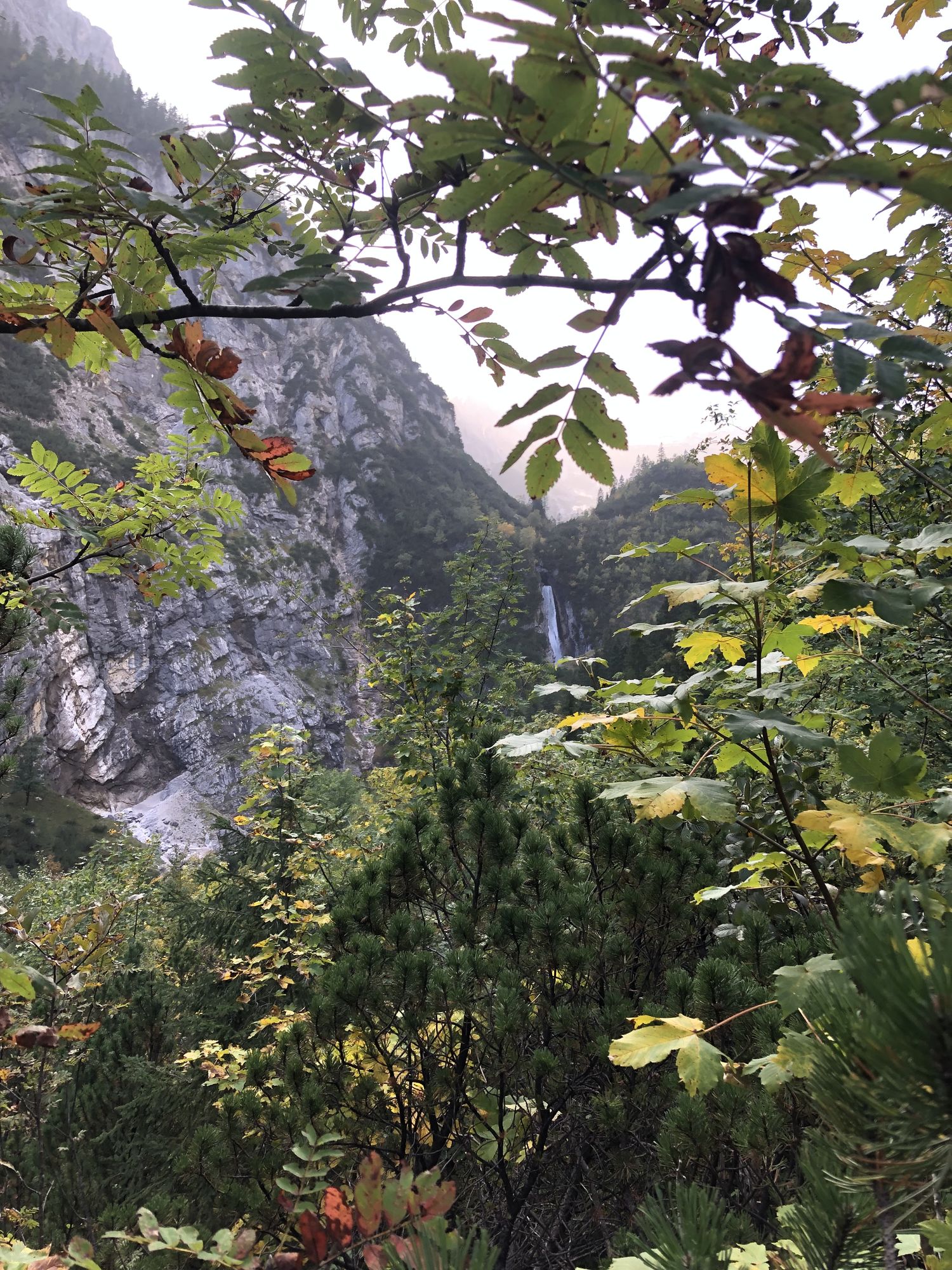
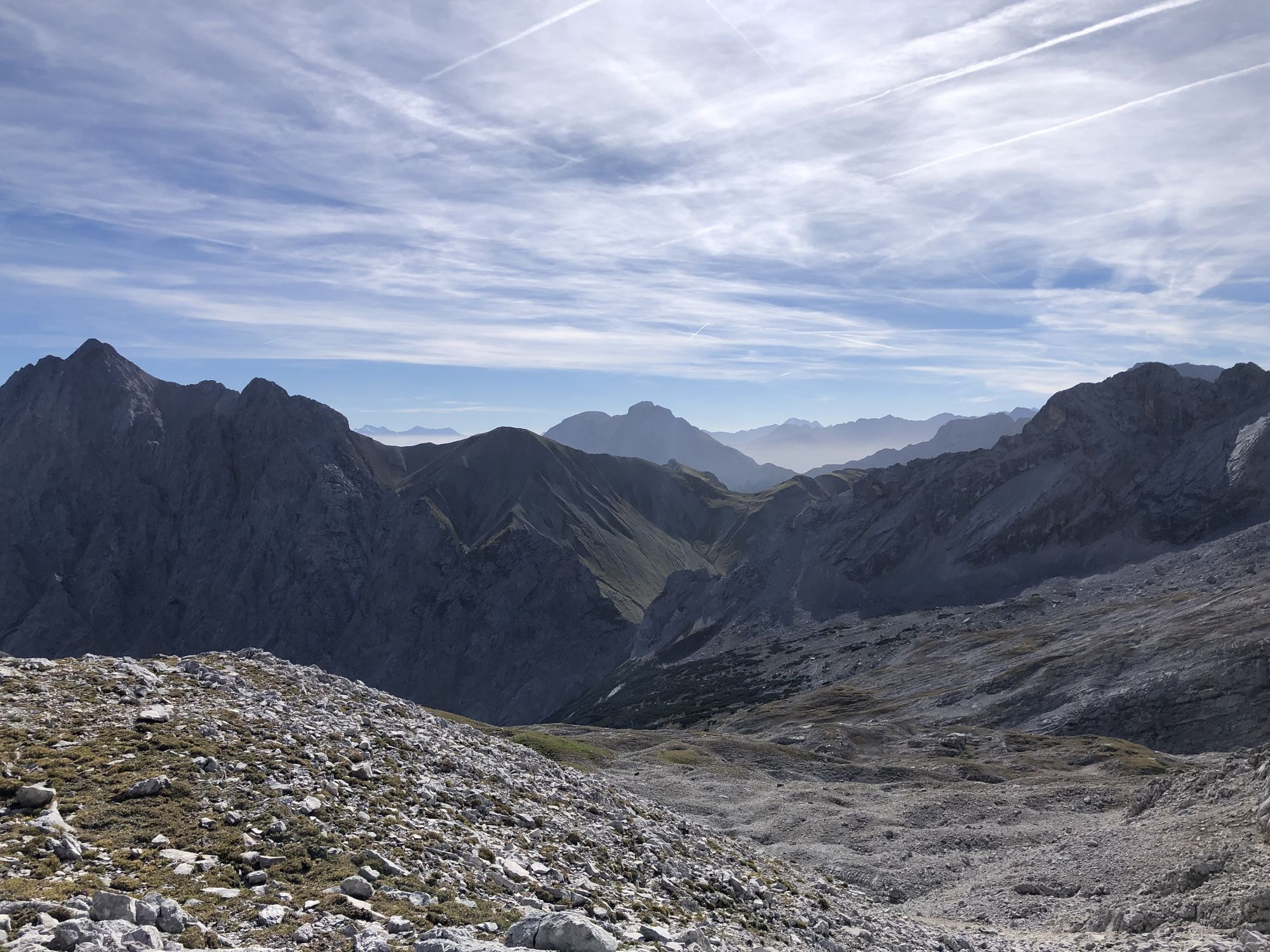
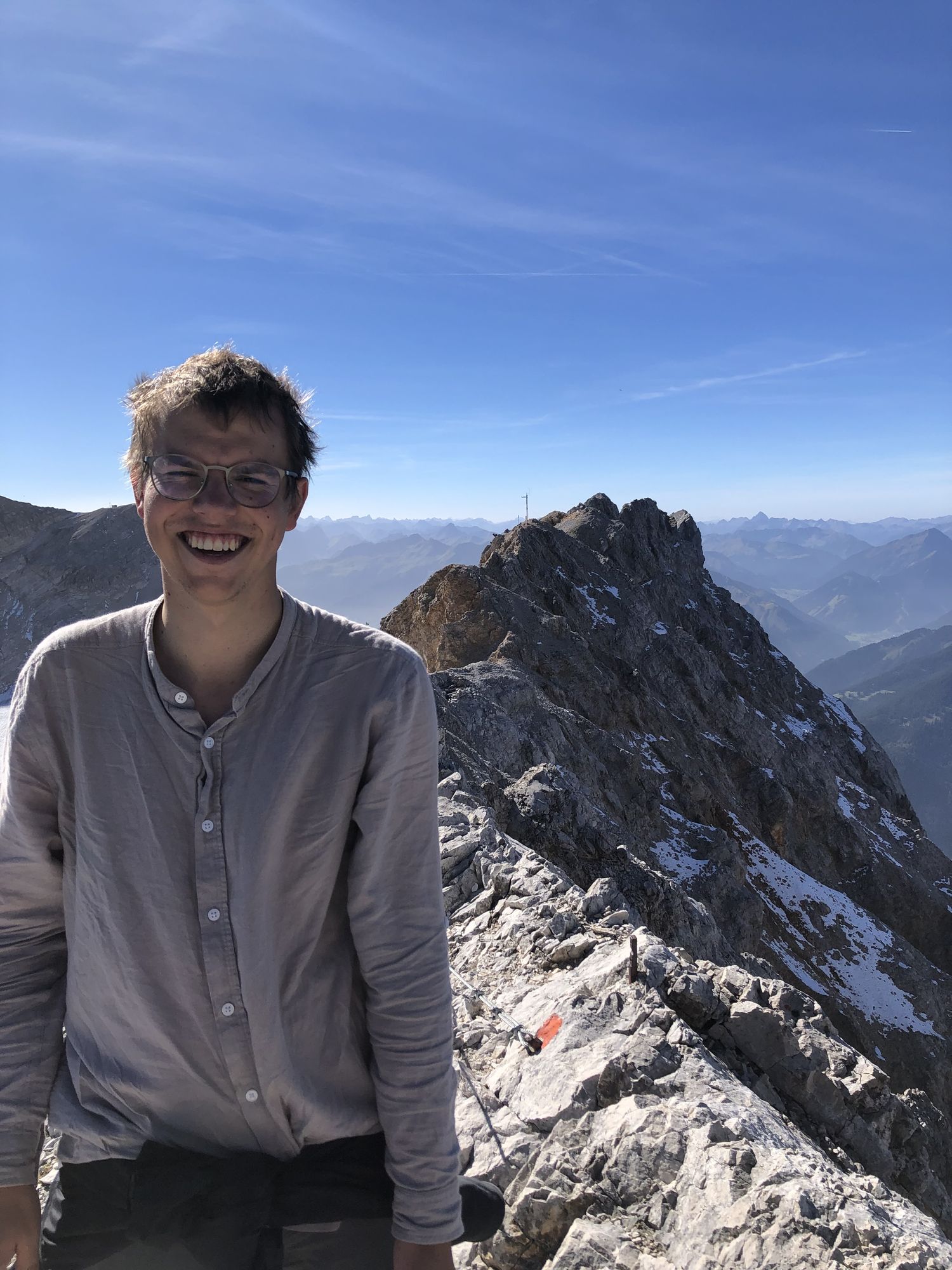
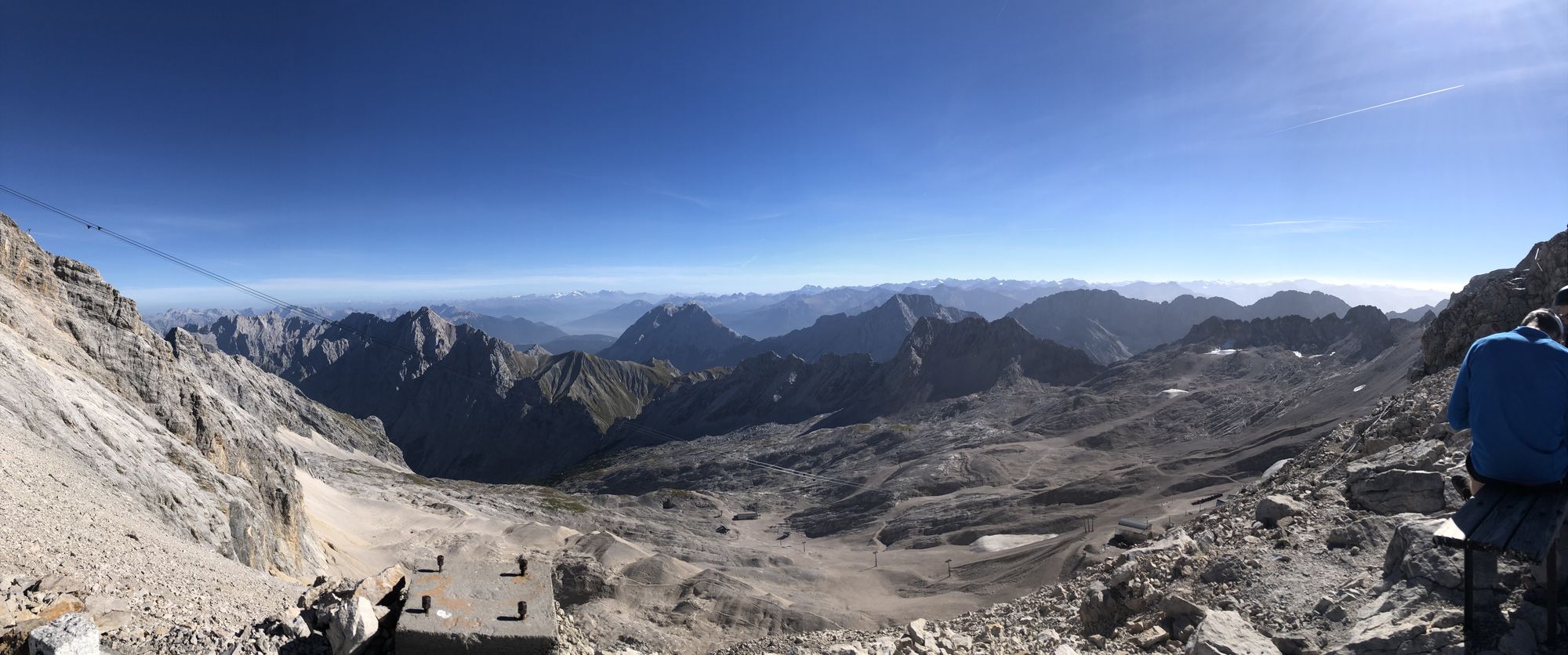
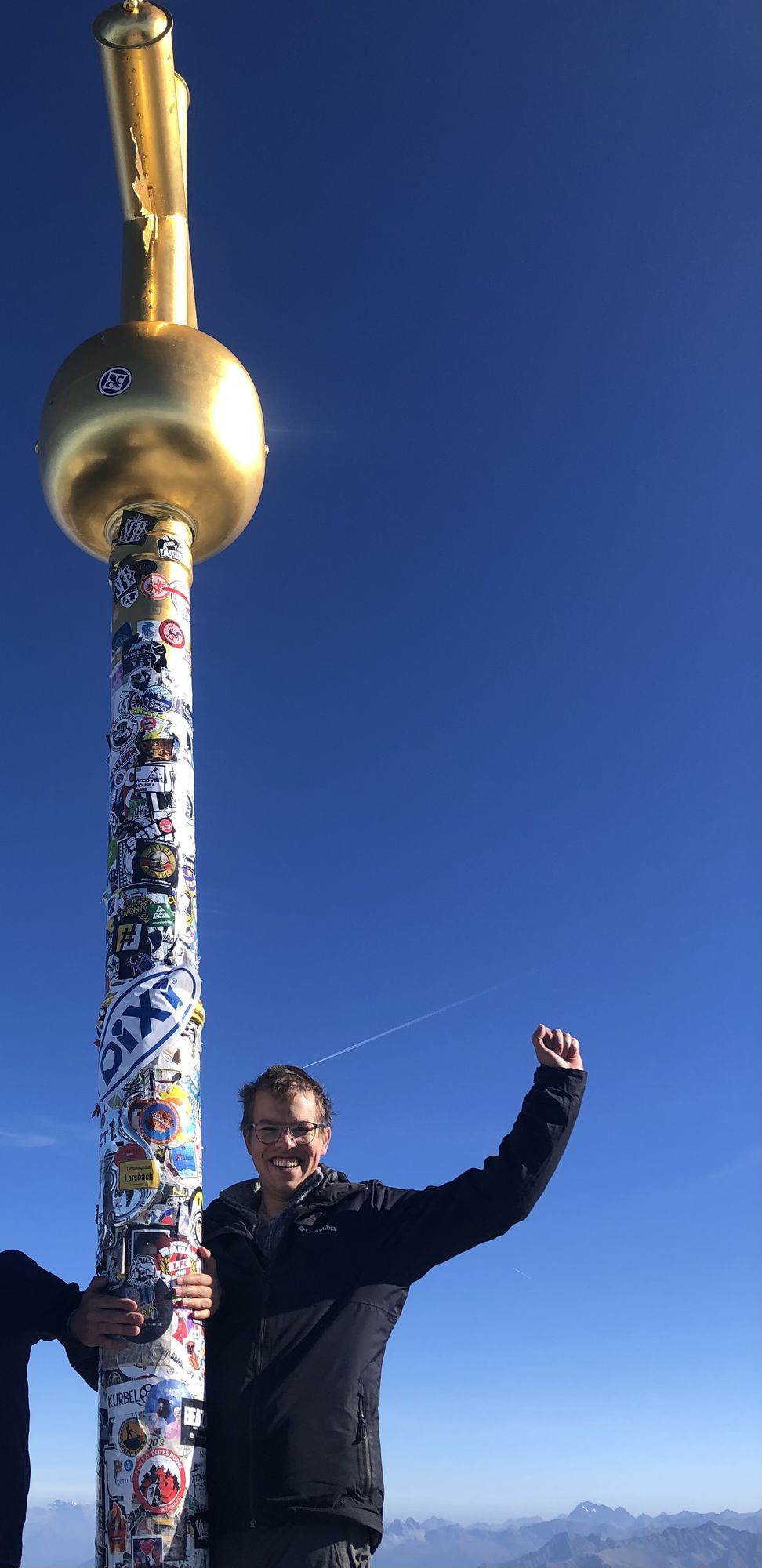
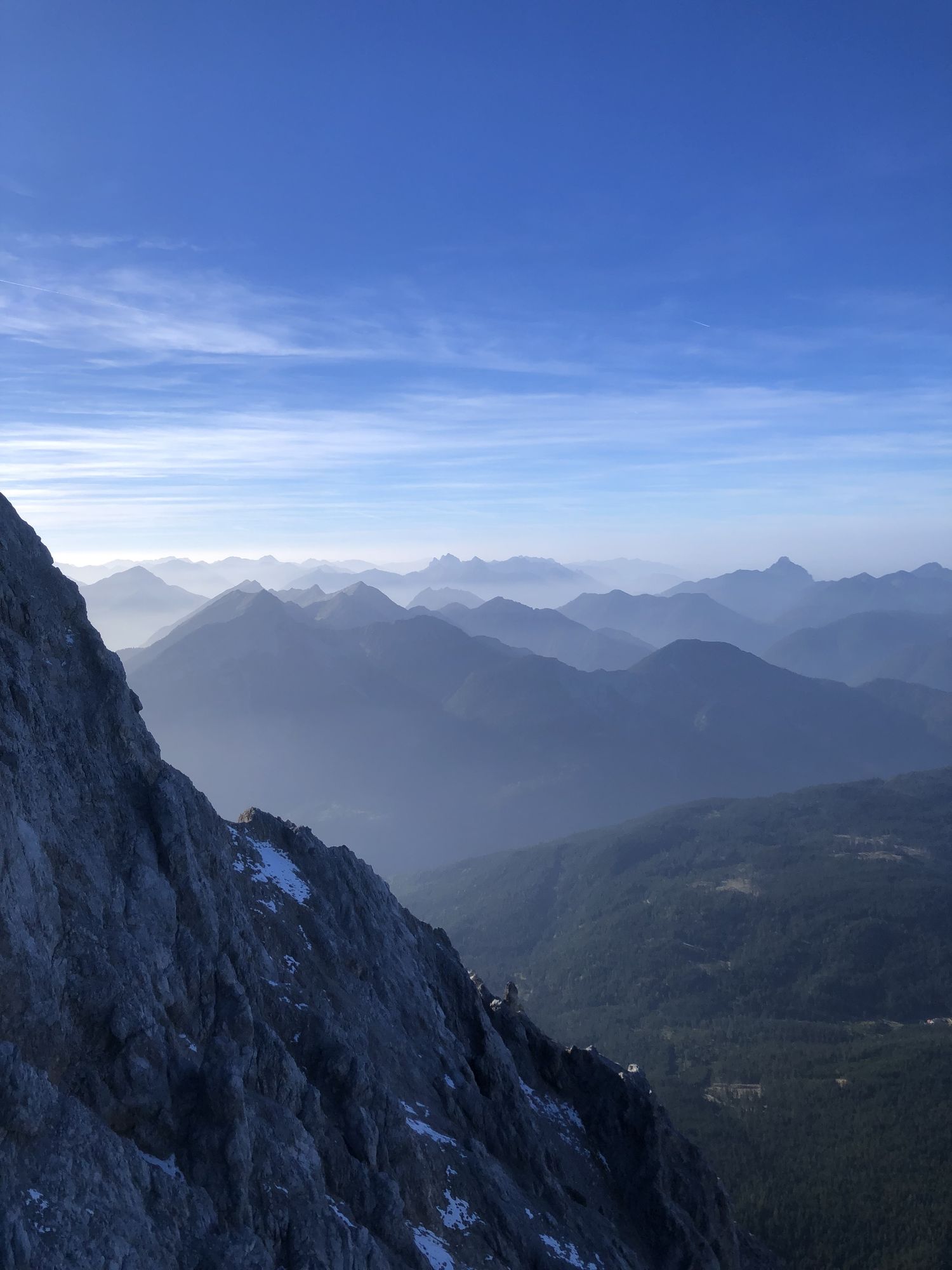
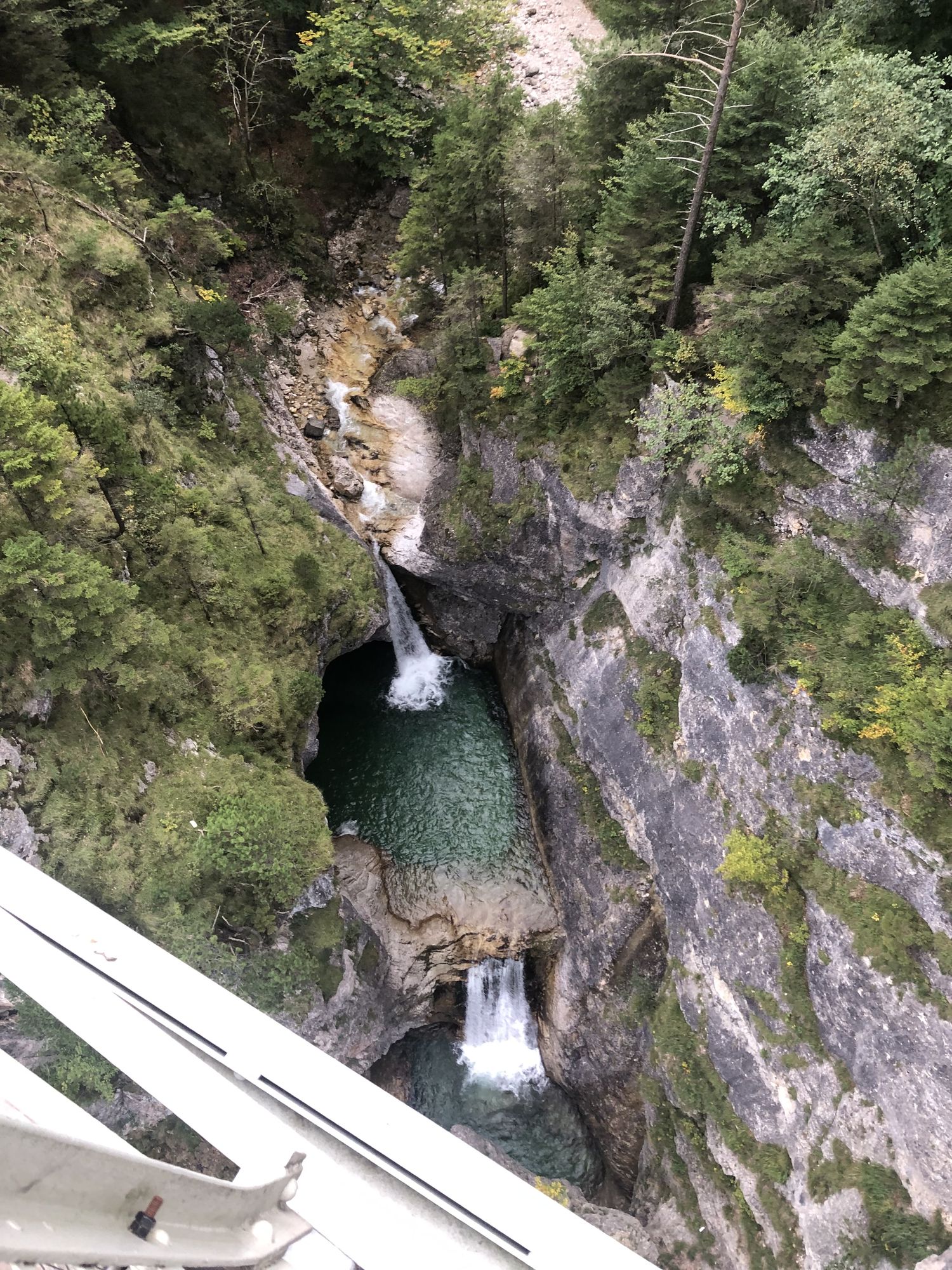
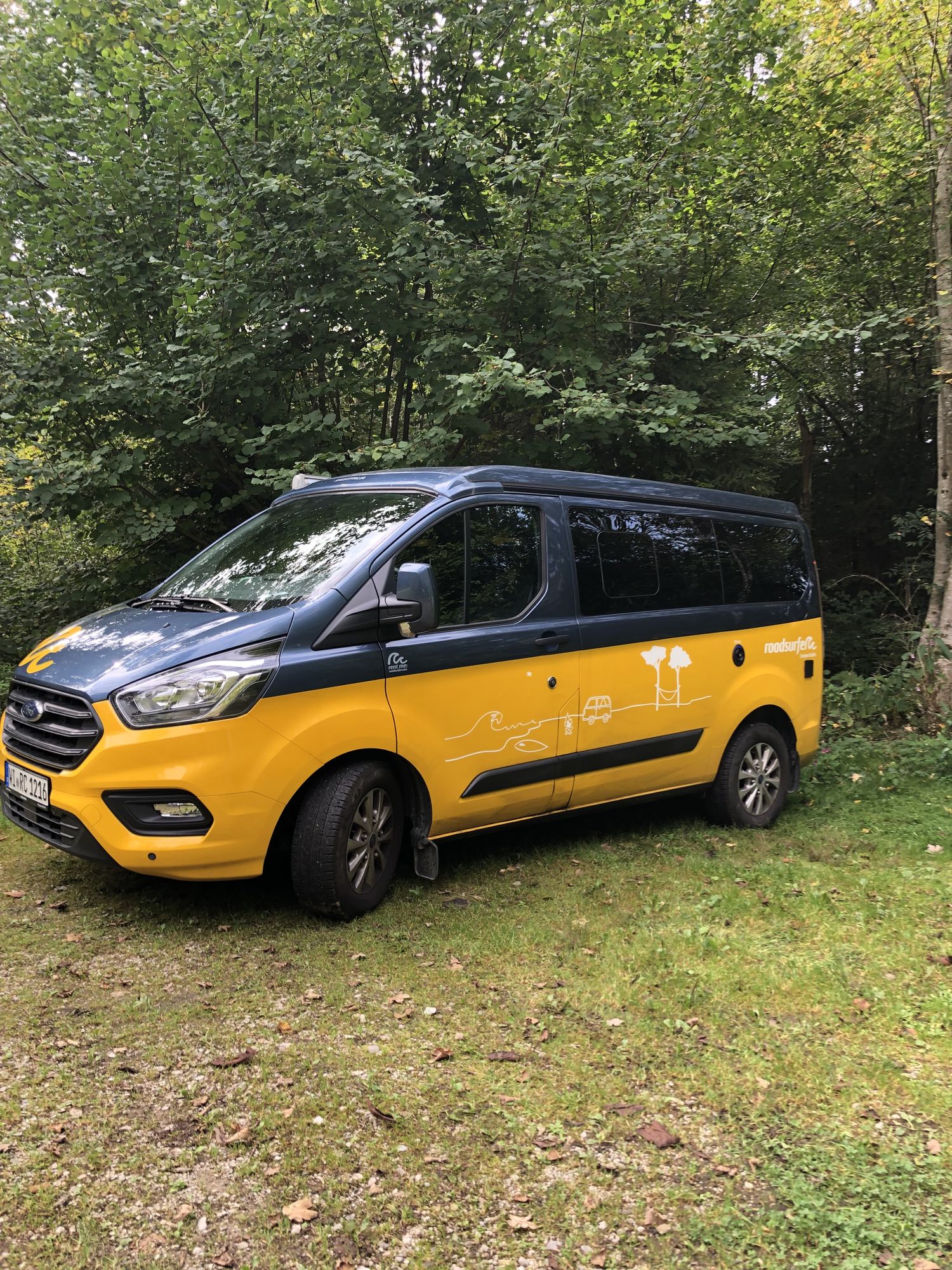
We picked up a Ford camper van in Vienna through a cheap rental service, Movacar — ninety-nine euros for the week, you only pay for fuel on top. It's a really smart option when you want flexibility and don't want to commit to a full traditional rental. From there we drove to the Zugspitze area, parked the van, and did a two-day hike up to the summit, which is Germany's highest mountain. The views were incredible, even with some dangerous paths right below the top and frequent reminders of people who'd lost their lives along the way. After we came back down, we stopped at a lake nearby and enjoyed the nature south of Munich.
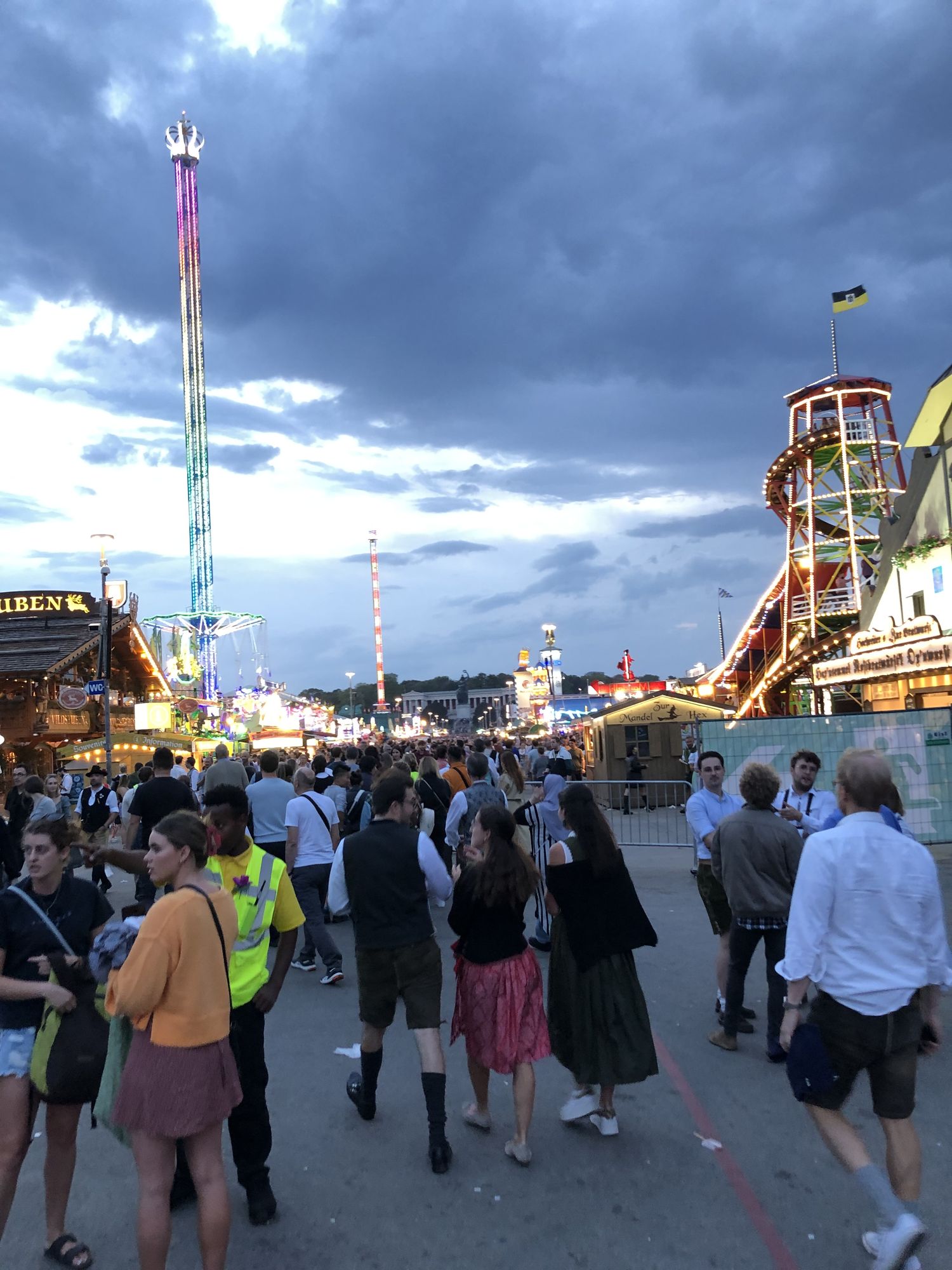
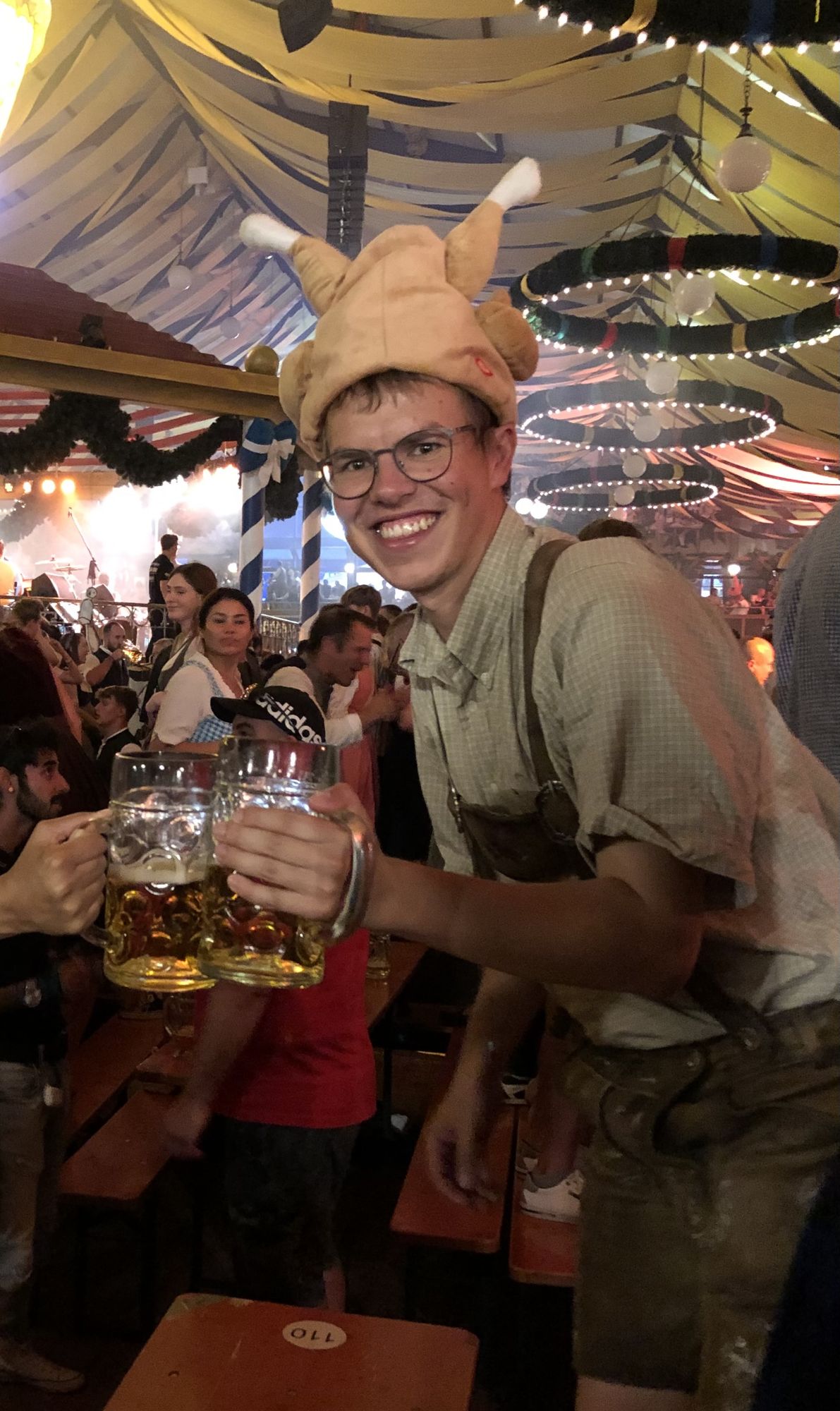
From the lake we drove on to Munich, picking up our traditional outfits — Lederhosen for the guys, Dirndl for the women — for Oktoberfest. We timed it perfectly to hit the tent on October third, the last evening of the festival, which meant the waiters were in an amazing mood knowing it was their final night and the whole place had that end-of-run energy. We parked the van, took public transport in, and found our way to a table with some really friendly people who turned out to be from Morocco. We had no idea what was happening half the time but we were all having a blast, basically standing on the benches the whole night with the music going. It was exactly the kind of random, genuine moment you hope for when you travel — a proper cultural exchange even without fully understanding each other.
The whole trip from Vienna to Munich was around five hundred fifty to six hundred kilometers. Between the Zugspitze hike and that last Oktoberfest night, it's honestly one of the best camper van experiences I've had.
Stuttgart → Dolomites → Mediterranean
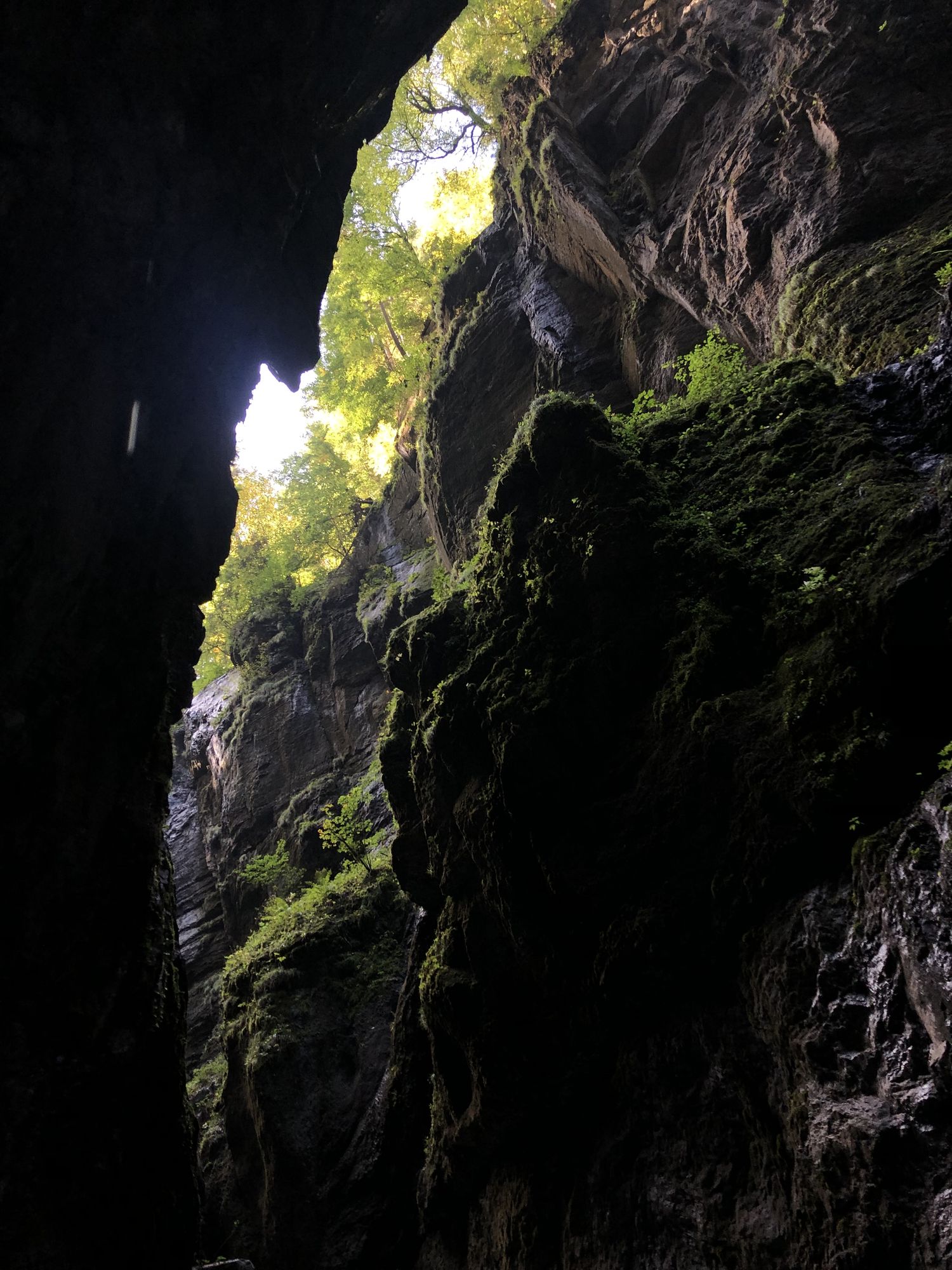
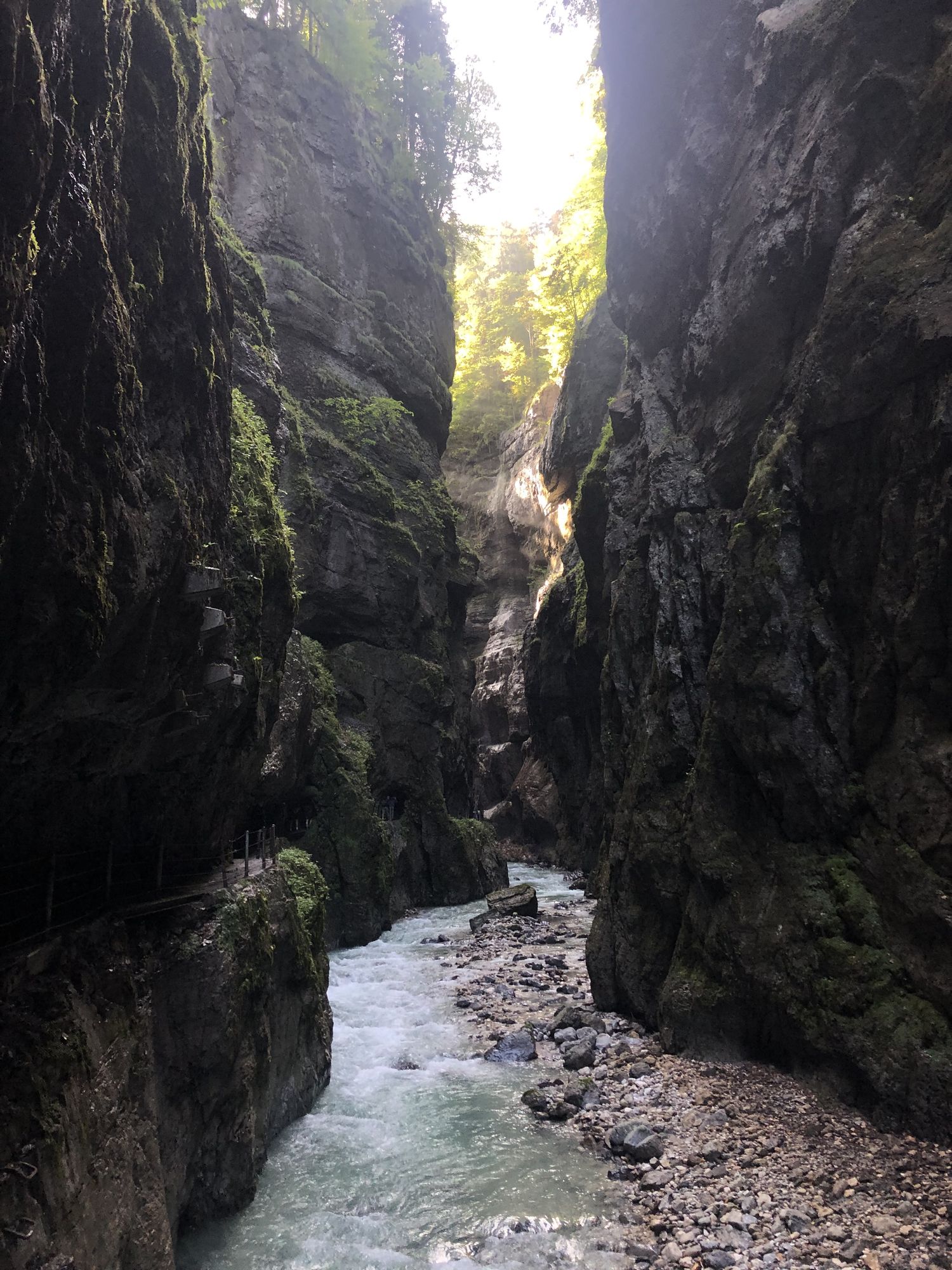
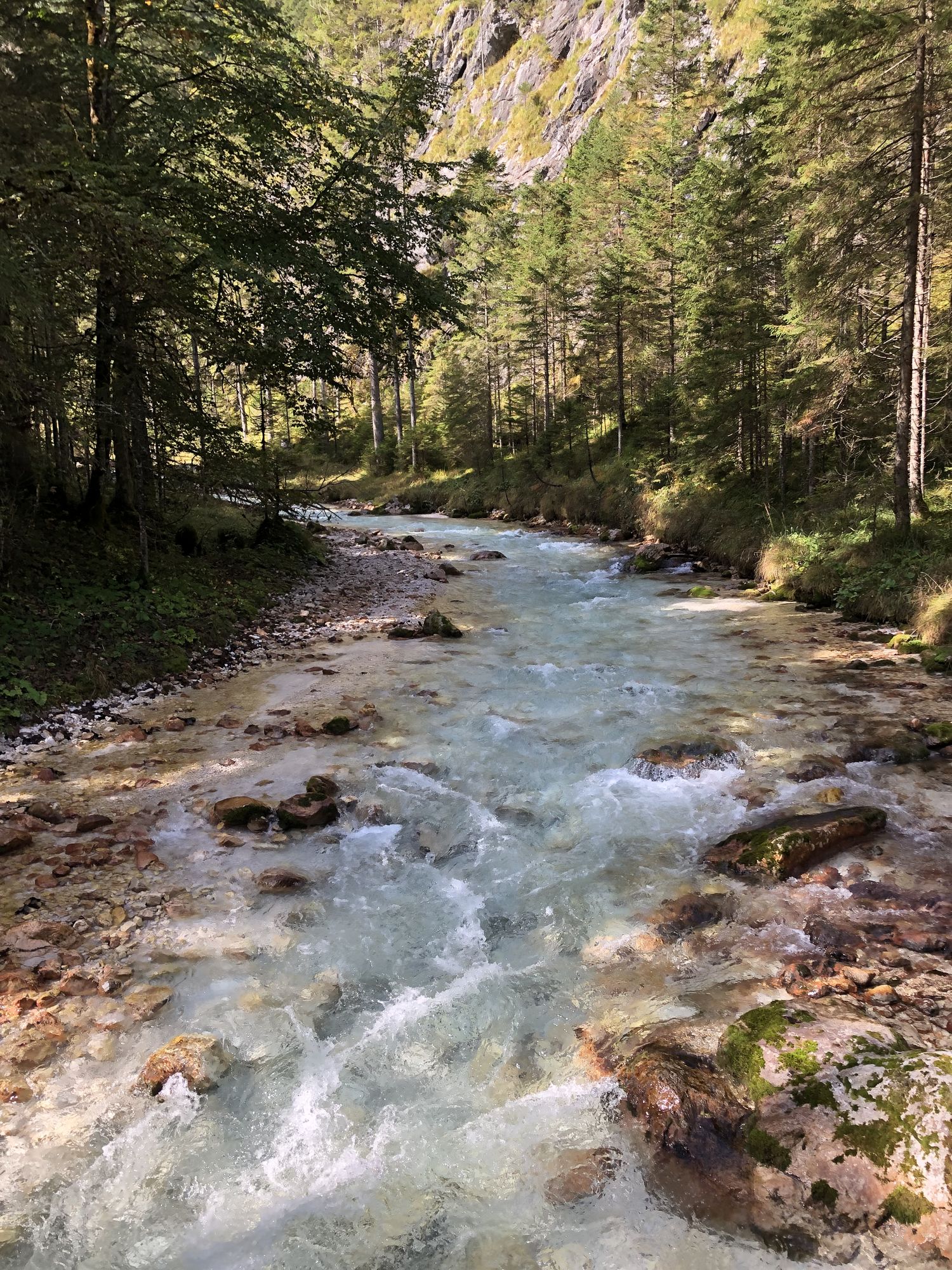
Camper base for the Dolomites and Mediterranean coast leg before Tarifa. Full story in the Tarifa trip.
Cycling trips
Bonn → Basel
My brother and I rode the Rhine from Bonn to Basel at sixteen, with physical maps and no phones. One day ended up being 205km. We absolutely deserved the recovery day that followed.
Read more ↓My brother and I did this one when we were sixteen, just the two of us, and it's still the cycling trip I'm most proud of. We rode along the Rhine the whole way south, stopping in Worms and Rastatt along the way. We only had physical maps, no phones with navigation, which made everything both simpler and more stressful.
The day that's stuck in my head ever since was when we left Rastatt late, around ten in the morning. We missed a ferry crossing, had to wait, and then our plan to reach Freiburg started slipping. We made a call — literally, we called our friends in Basel — and asked if we could skip Freiburg entirely and push straight through to them instead. They said sure, no problem, come whenever. So we did. That day ended up being somewhere around two hundred and five kilometers. On bikes. At sixteen.
Getting through Strasbourg was the real challenge. It was the fourteenth of July, French National Day, and the city center was completely blocked off for fireworks. We had no digital map, no way to reroute properly, and the cycling paths we'd been following just disappeared into a mess of closures and construction. We got properly lost and ended up asking a boy who must have been ten or eleven for help. He didn't speak a word of English or German, and we didn't speak French. My brother tried shouting louder in German, which obviously didn't help. Eventually I figured out how to show him on the map what we needed — not the name of the city, but where we actually were on the street — and he pointed us right. Turned out we'd just missed a turn under a bridge two hundred meters behind us. On the other side was a beautiful canal path, smooth and clear, and suddenly we were flying south again.
Then it got dark. And I realized I'd left my bike light at home. There were no lights along the path except one on each bridge, and anyone who's cycled in proper darkness knows that a single point of light ahead doesn't help you see anything in between. We were young, tired, in a foreign country without language or maps, and it was genuinely scary. I remember realizing my brother was scared too and deciding I had to hold it together for both of us. At some point I reached behind me into my bag while still cycling, pulled out a chocolate bar, snapped it in half, handed him one piece, and we just kept going.
We made it to the northern edge of Basel well past midnight, found a church we recognized on the map, called our friends, and they came and picked us up. The next day was one of those perfect recovery days — the daughters came home early from school and took us to the Rhine with these big bags you stuff your clothes into, then float down the river through the city. We jumped in above a bridge, floated past it, climbed out, got ice cream, jumped back in before the next one. We absolutely deserved that day.
After Basel we continued a couple more days, cycling to my brother's godmother and then mine. My brother got picked up by our parents from there, and I cycled on alone to the Gotthard, one of the great Alpine passes. I had a flat the morning I was going to ride up, fixed it on the roadside, then got a quick hitchhike to the top. The view from up there made the whole trip worth it.
Vilnius → Tallinn
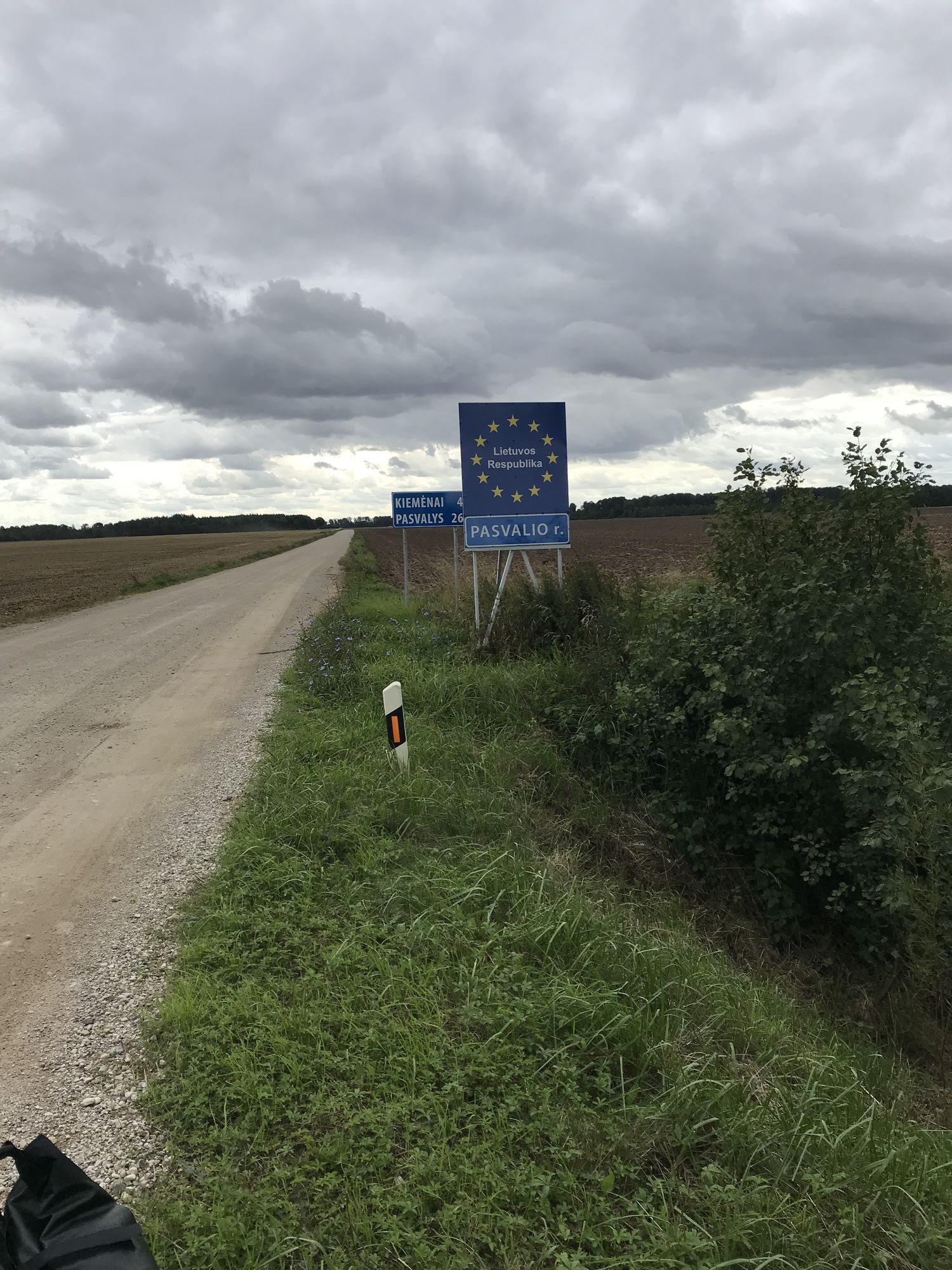
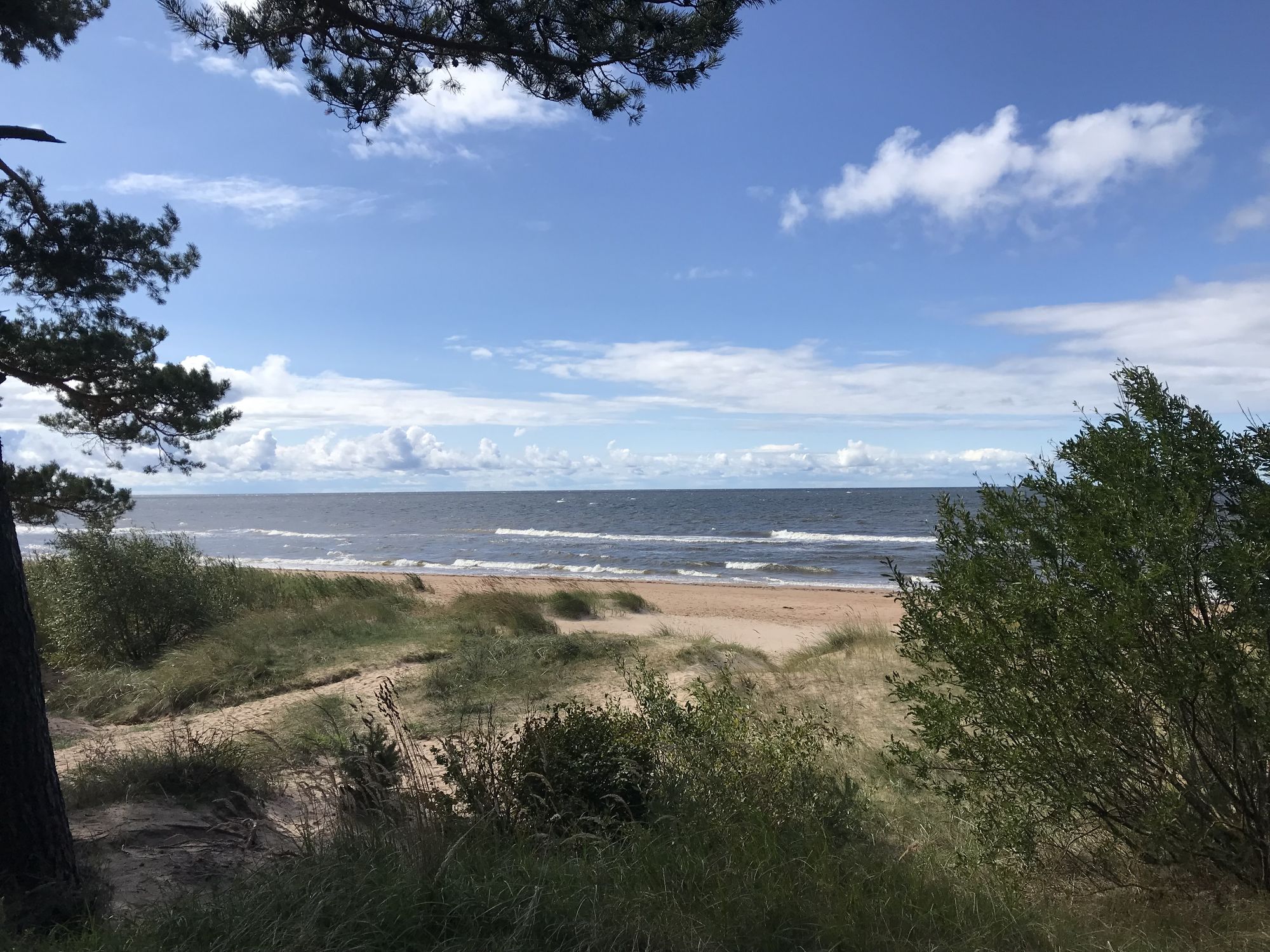
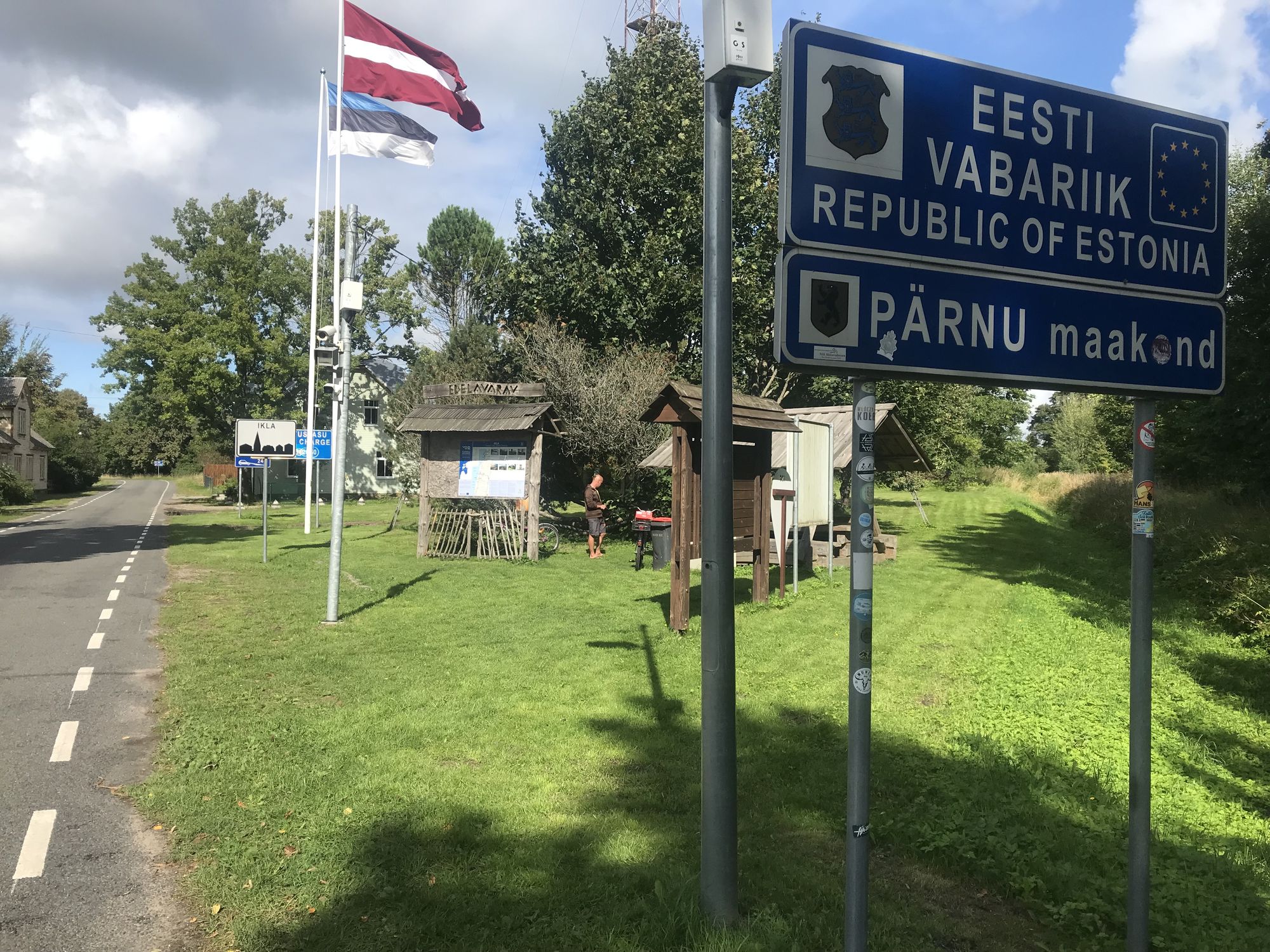
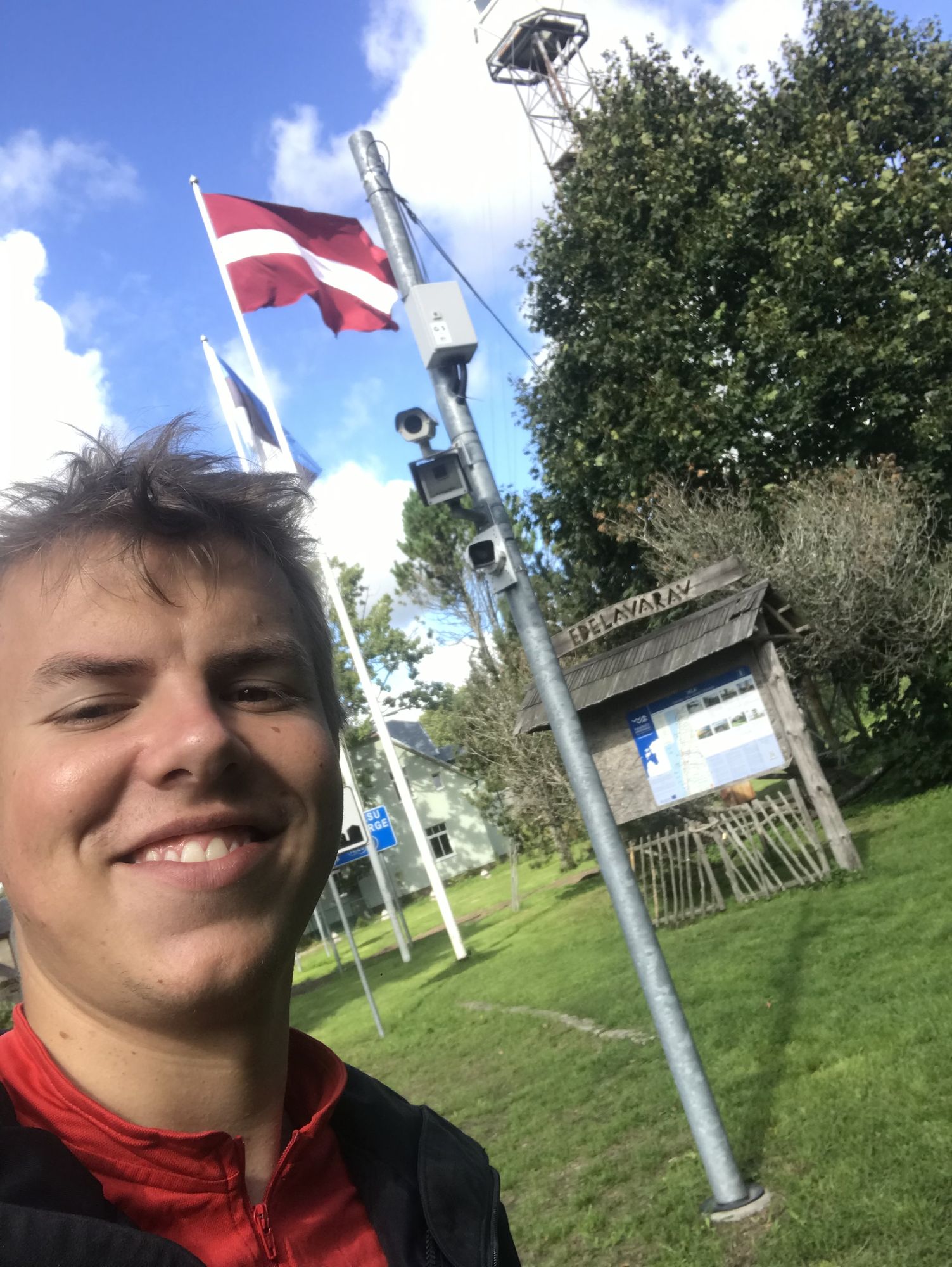
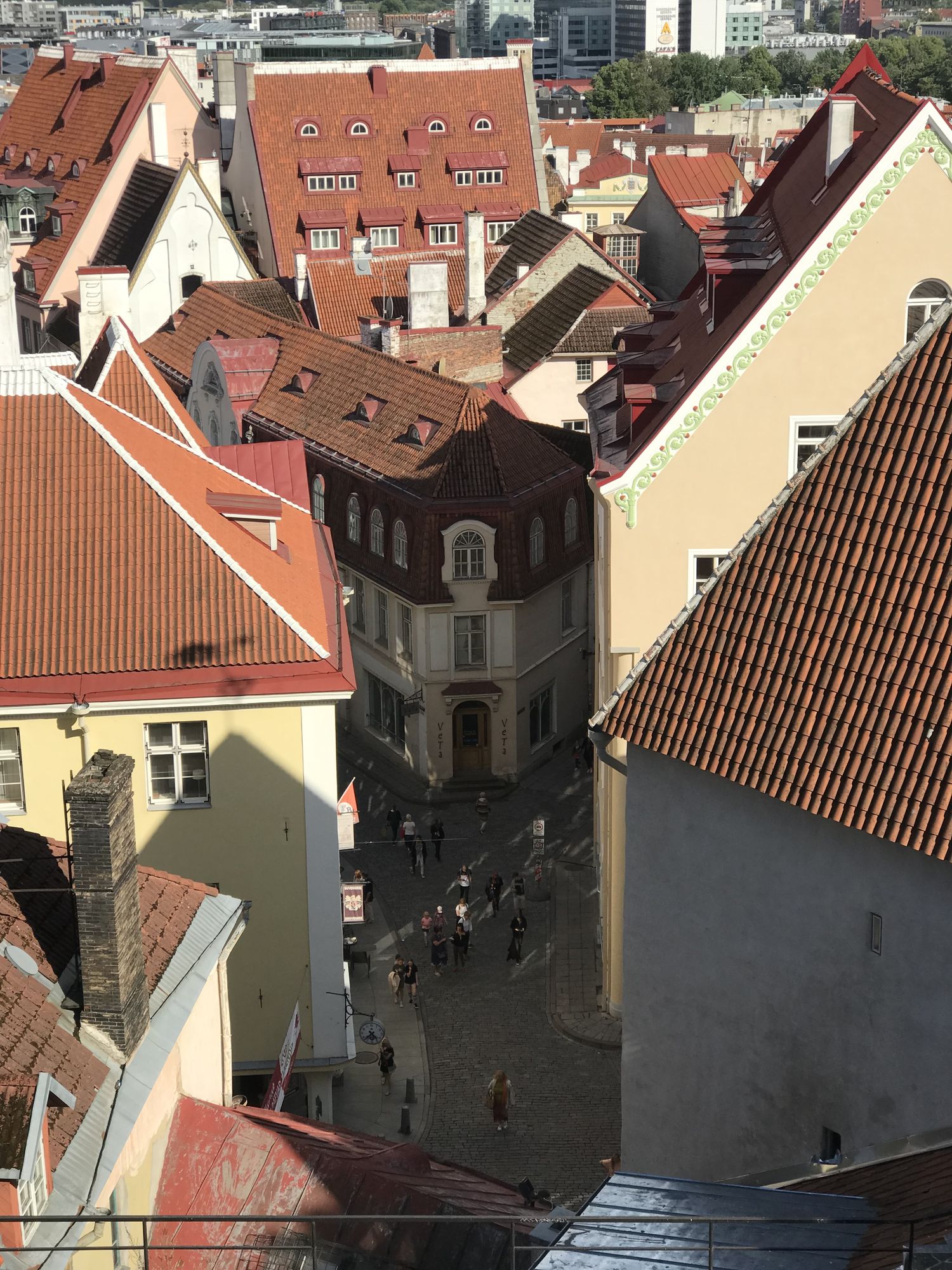
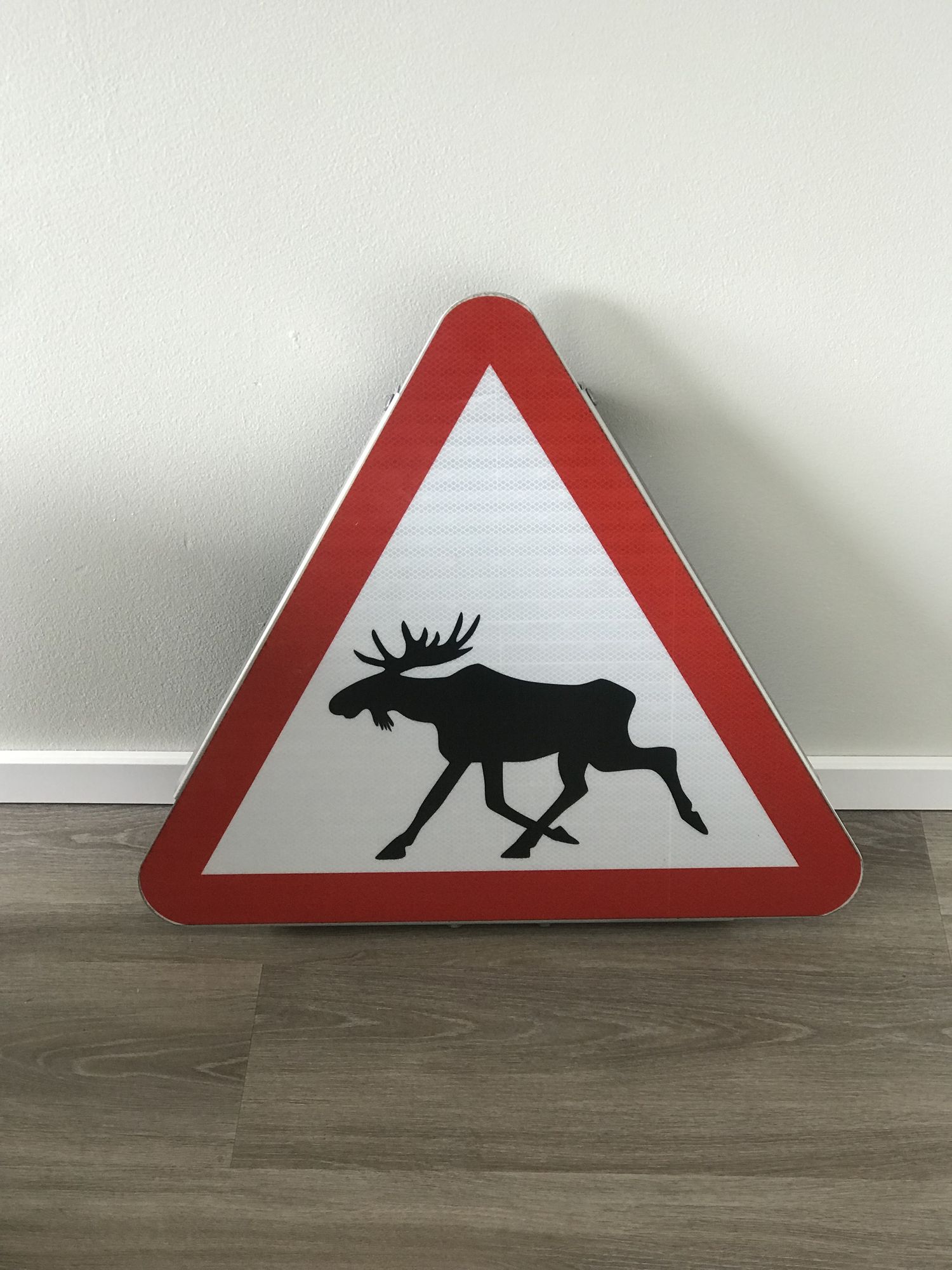
Headed north through the Baltic states towards Tallinn. The weather turned, the roads weren't great, we cut it short — and we stole a moose road sign along the way.
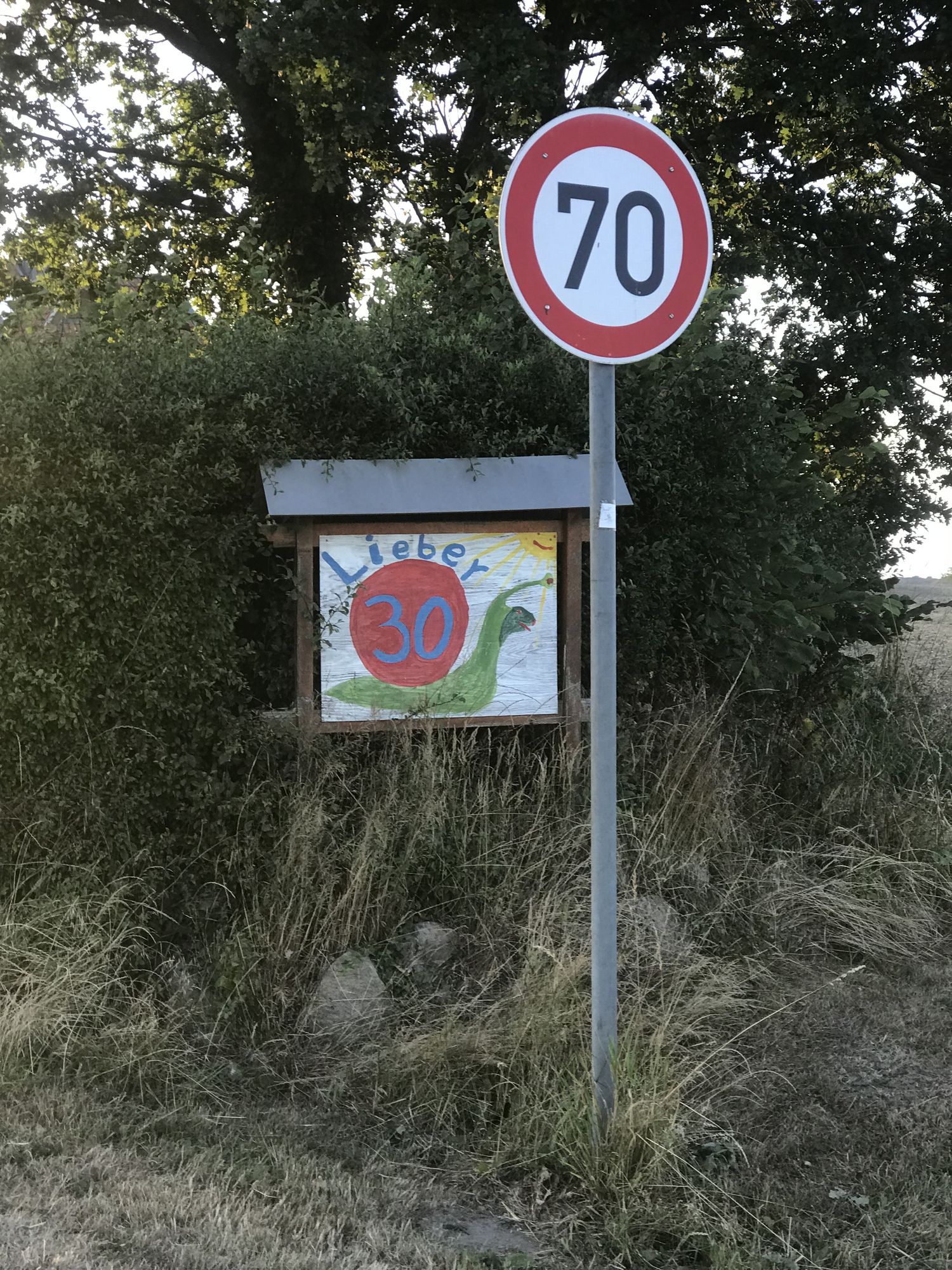
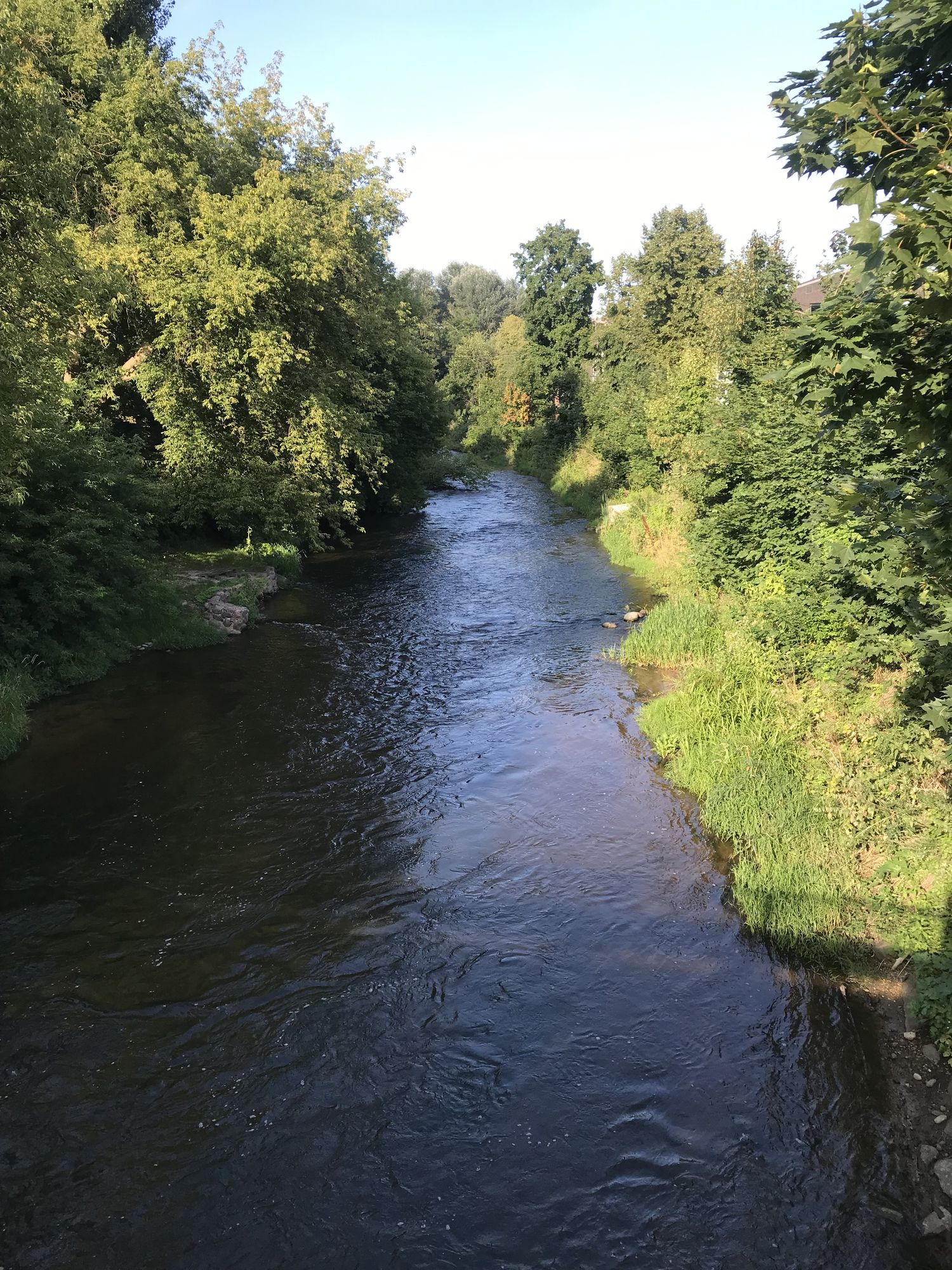
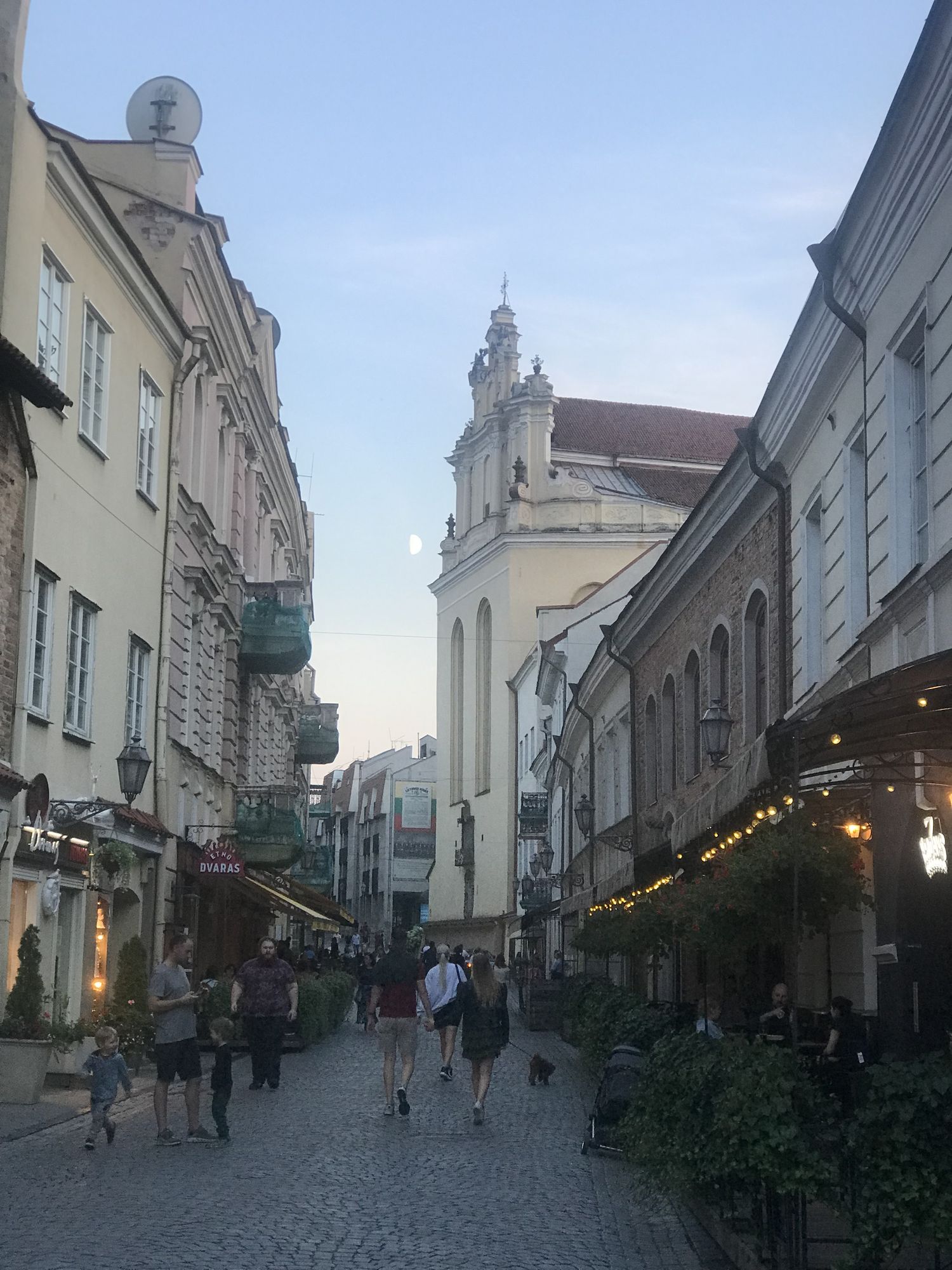
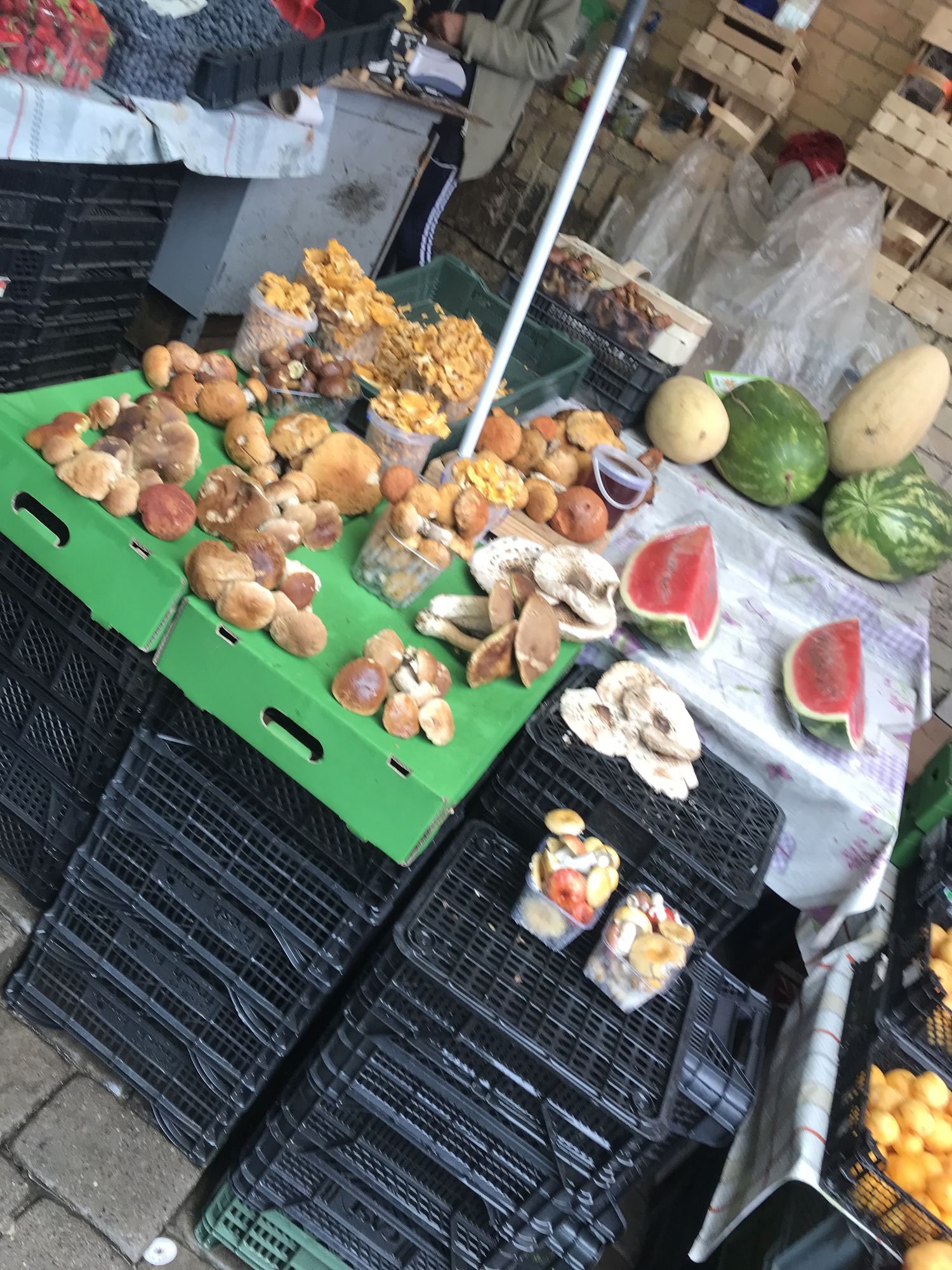
This one was shorter than planned. We started in Vilnius and headed north through the Baltic states towards Tallinn, but the weather turned bad early and the roads weren't great, so we cut it a bit short. It was still a fun adventure — one of those trips that's a bit ridiculous in hindsight — and we ended up stealing a moose road sign along the way.
Lüneburg → Copenhagen
From my home city to Copenhagen — through Germany, across Denmark, and onto the electric ferry to Ærø. The hottest week of the year, strangers smiling at me so openly I thought something was wrong with my face. Denmark, it turns out.
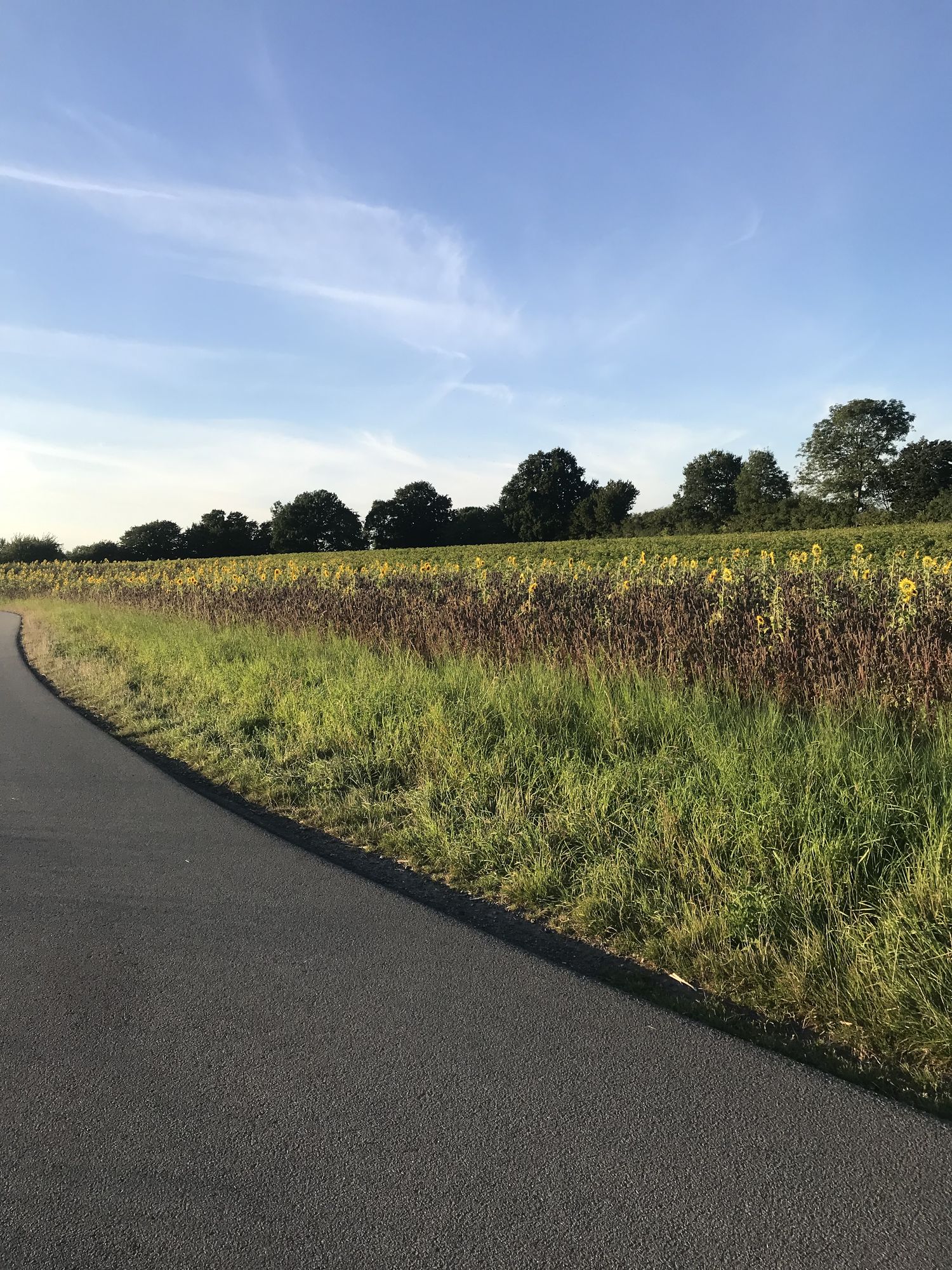
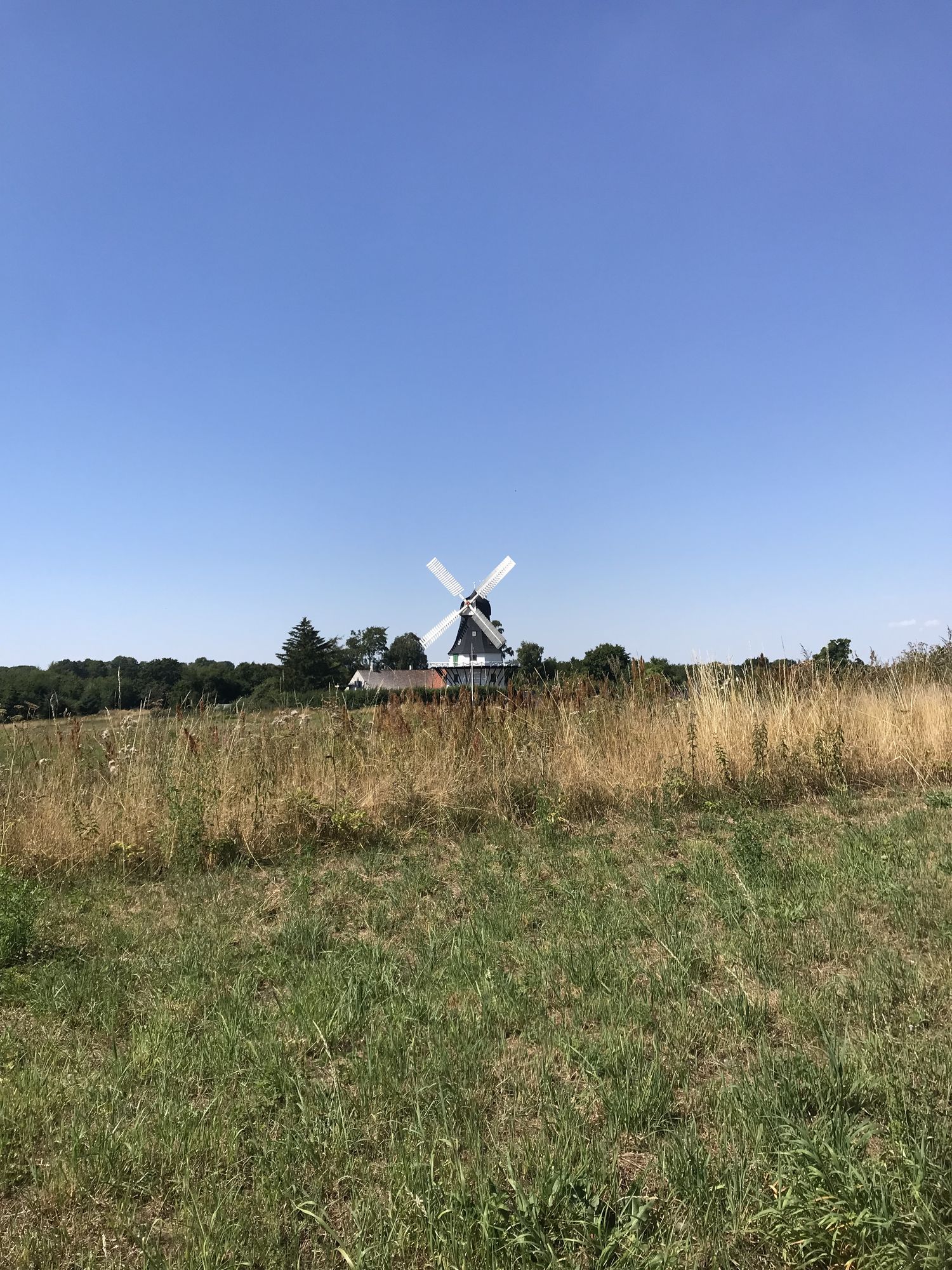
This trip started from my home city of Lüneburg in northern Germany. The early stretch through the German countryside had a certain charm, though it came with the classic experience of tiny villages where Google Maps lists a restaurant as open and you arrive starving to find it's been shut for years. Hunger and false hope, a classic combo.
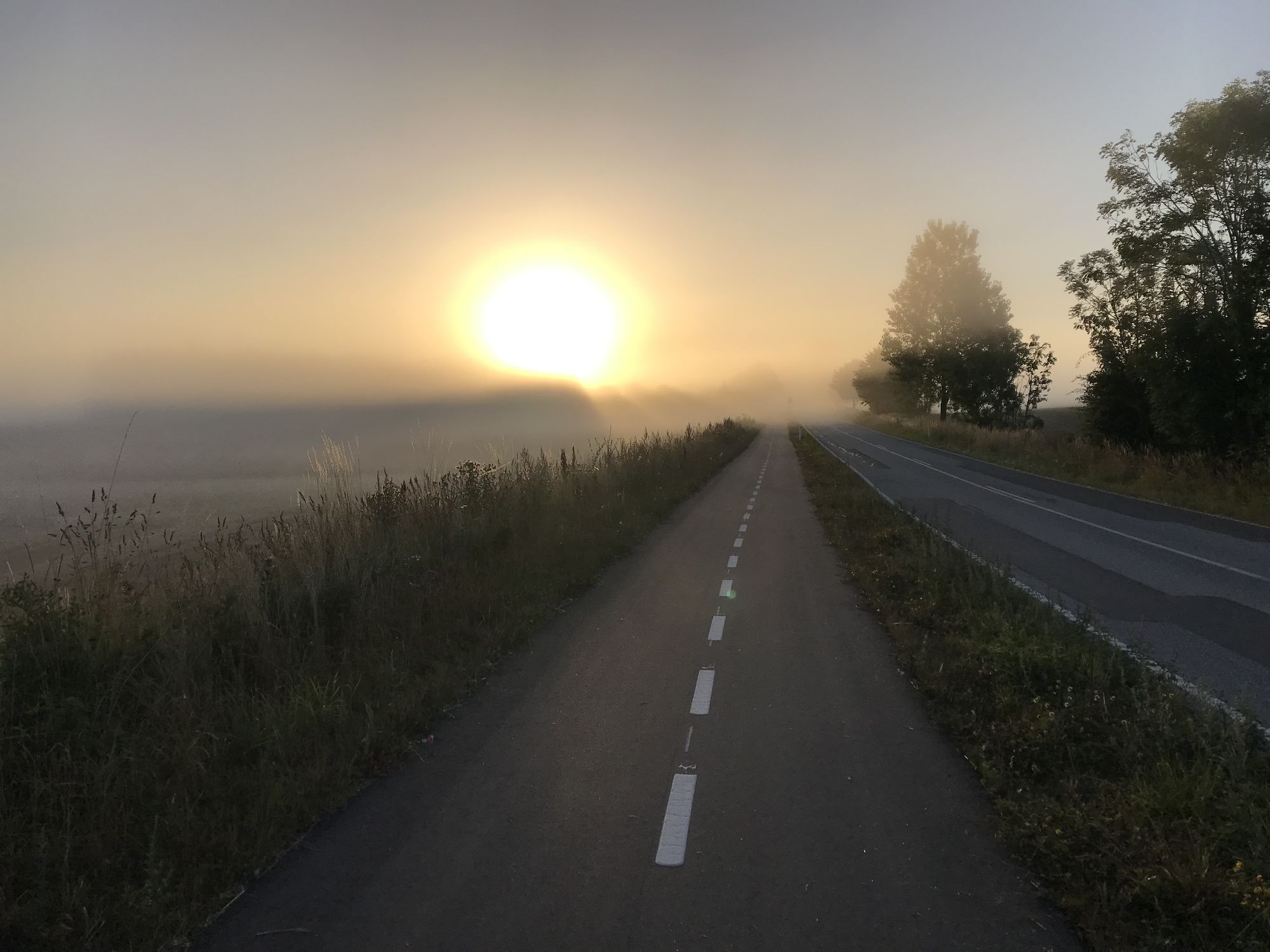
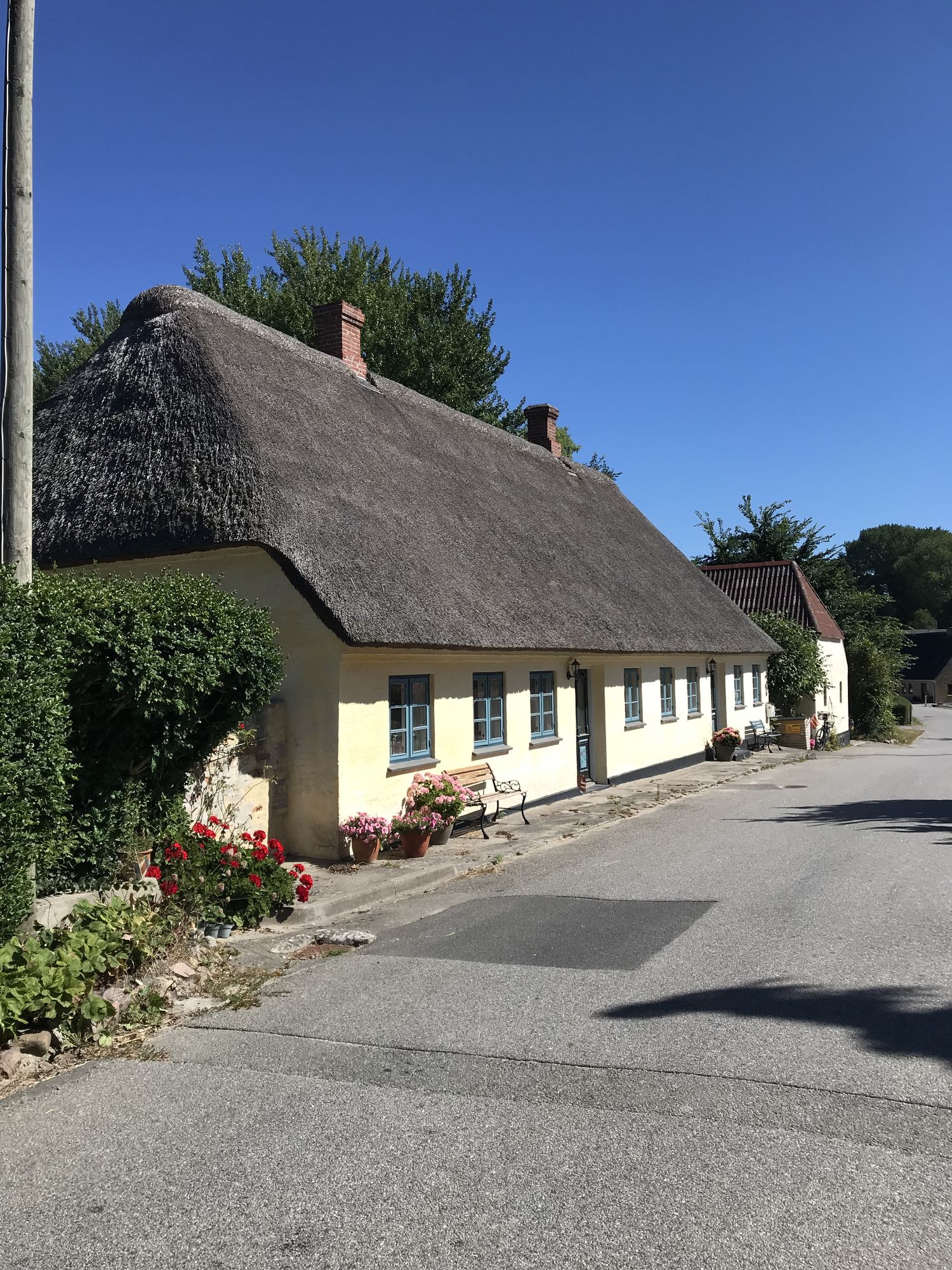
Crossing into Denmark was something else entirely. I wasn't prepared for how friendly people were. Cycling along the route, strangers were smiling at me so openly and so often that I genuinely thought something must be wrong with my face. It took me a while to realize that's just how it is there. It made a strong first impression on a country I would move to three years later.
A highlight was taking the ferry over to the island of Ærø, which at the time ran one of the world's longest all-electric car ferries. What struck me was the acceleration — when you're used to ferries you expect this shuddering, grinding startup. This one just... moved. Smooth and silent. I didn't realize it was electric until that moment and it genuinely surprised me.
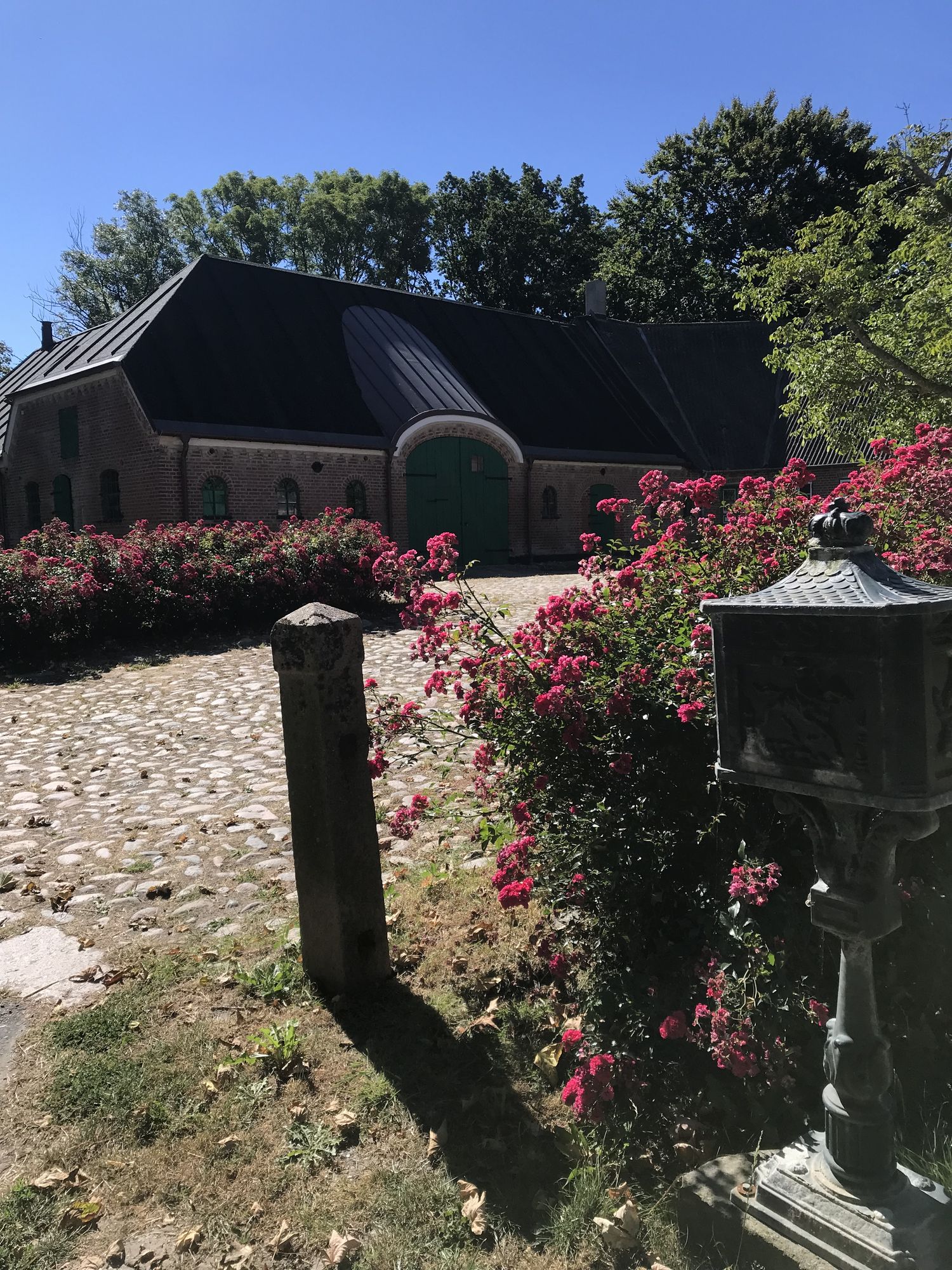
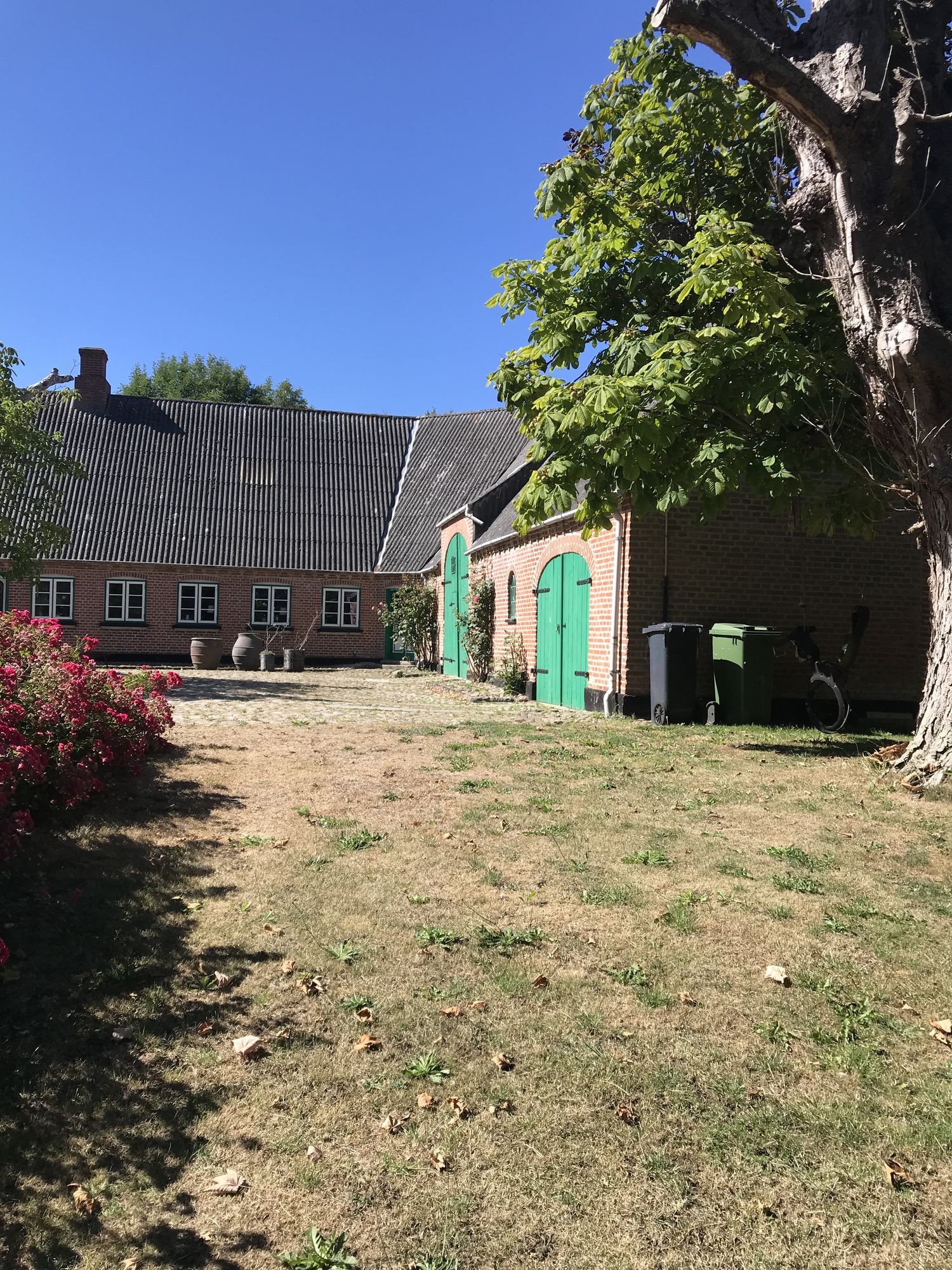
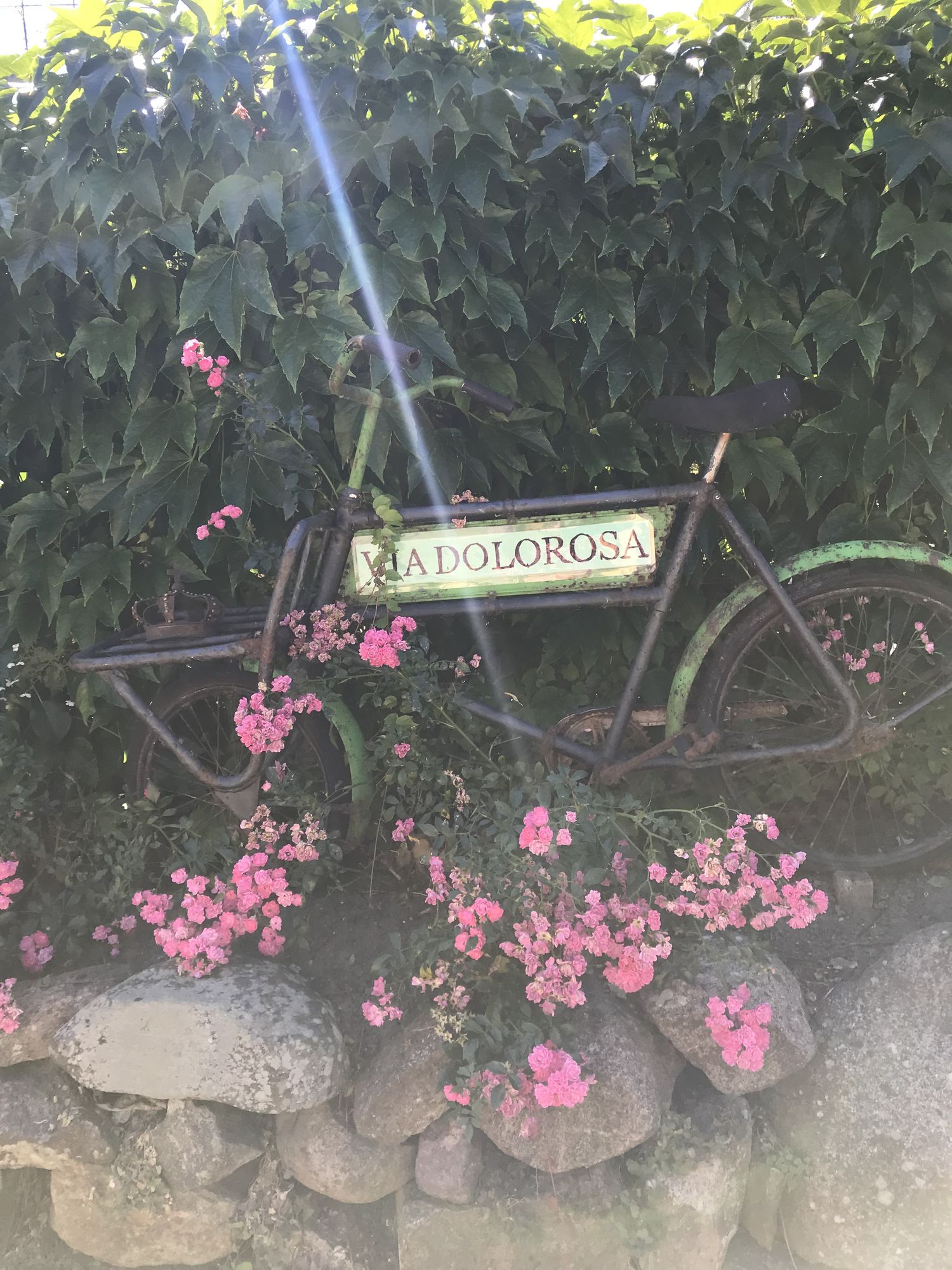
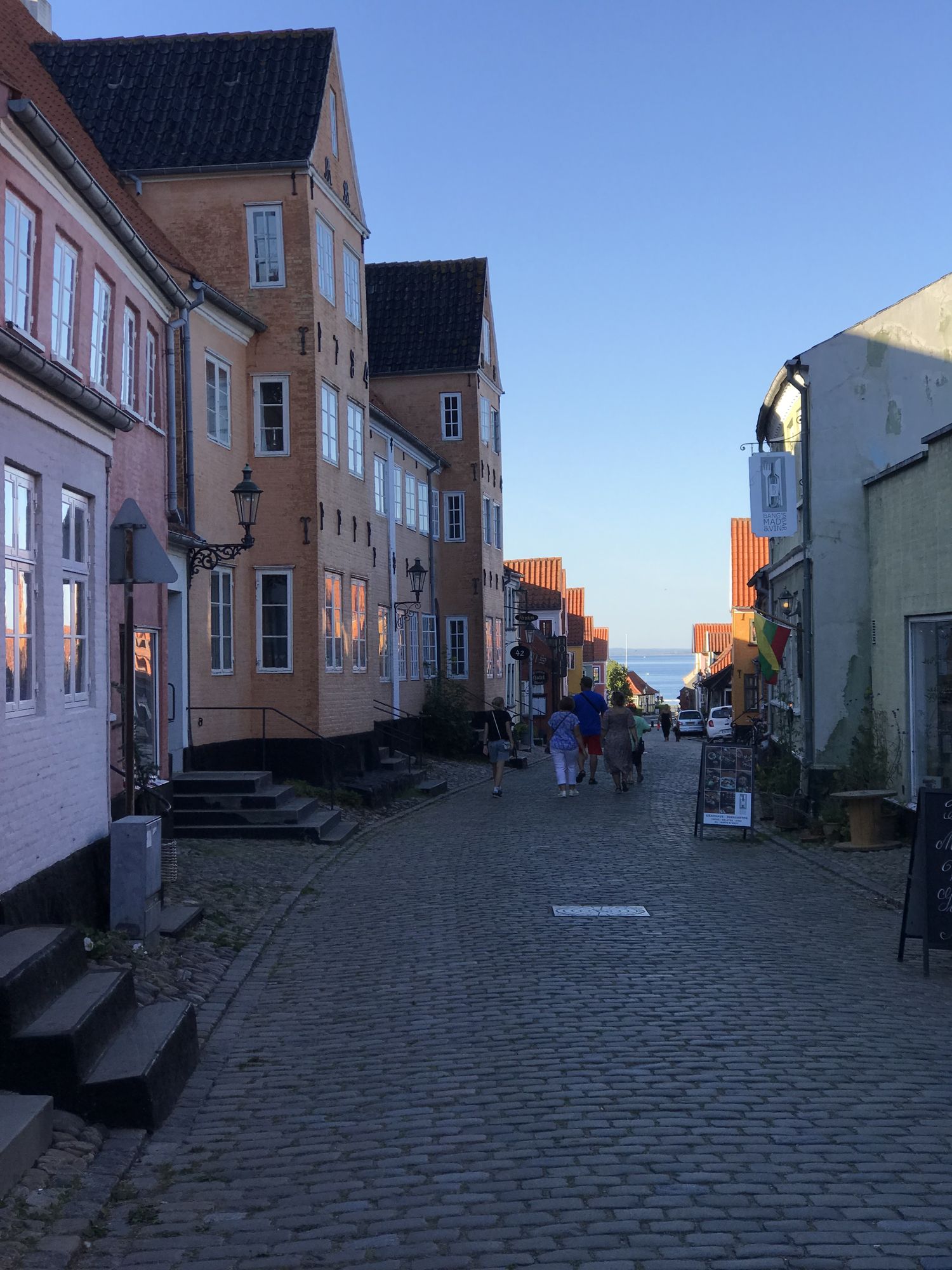
Ærø itself was stunning. Clear water, beautiful coastline, the kind of place you want to come back to and take your time with. I'd recommend it to anyone cycling through Denmark.
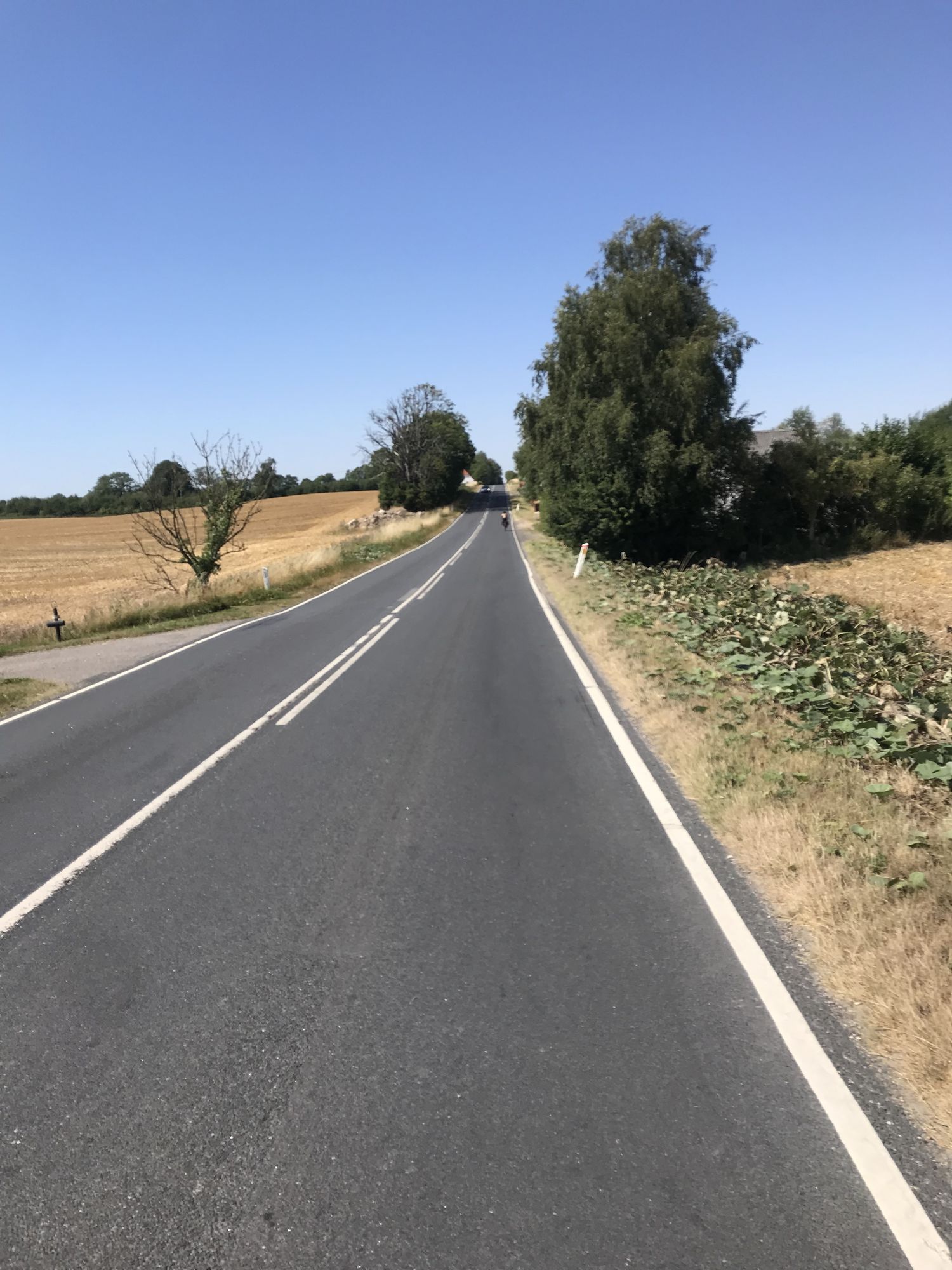
The one thing we hadn't planned for was the heat. We hit the hottest week of that year, thirty degrees plus with full sun and almost no shade along the route. Staying hydrated became a real mission. But even with that, it was a fantastic trip, and once you reach the Danish coast and start feeling that landscape around you, it's very hard not to fall in love with the country.